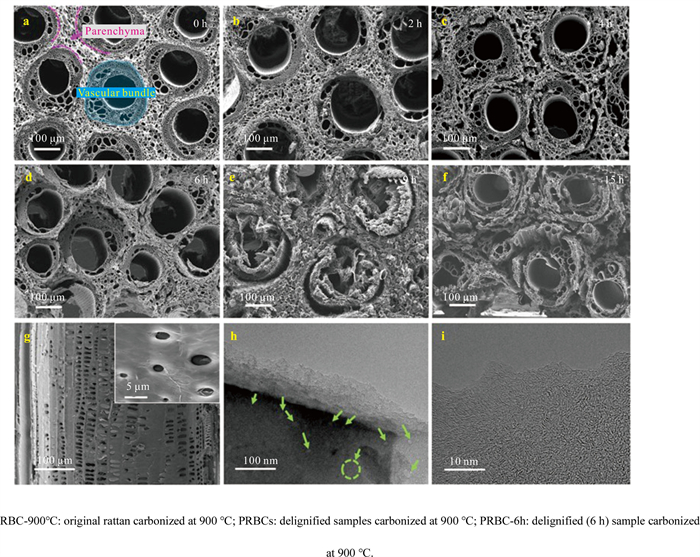
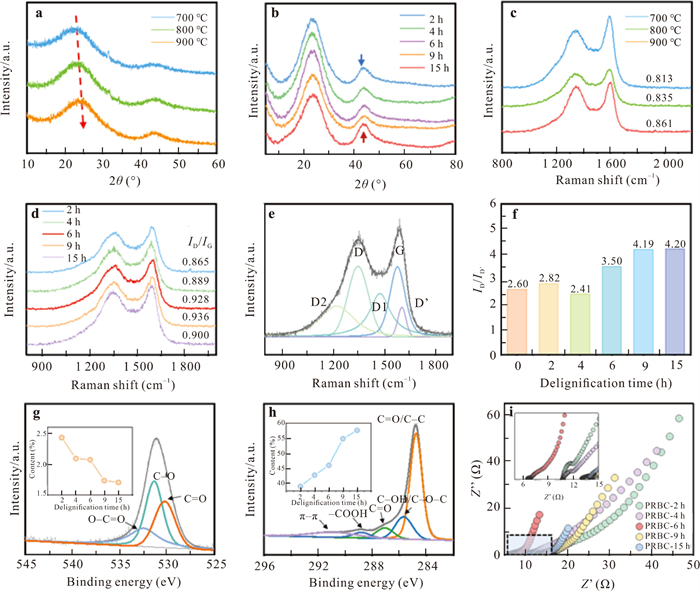
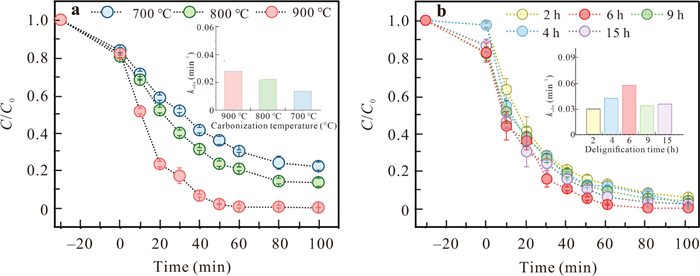
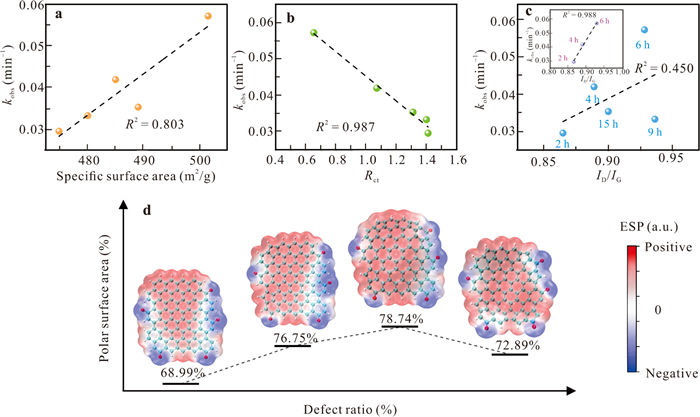
| Citation: | Yujing Tan, Yuyuan Li, Kaiwen Chen, Tianyi Zhan, Hui Peng, Fengze Sun, Liping Cai, Lei Shi, Jianxiong Lyu. High-flux rattan biochar microreactor for efficient peroxymonosulfate activation via component-regulated structure engineering[J]. Journal of Bioresources and Bioproducts, 2026, 11(1): 100223. doi: 10.1016/j.jobab.2025.10.003

|

|
Chon, K., Kim, Y.M., Bae, S., 2024. Advances in Fe-modified lignocellulosic biochar: Impact of iron species and characteristics on wastewater treatment. Bioresour. Technol. 395, 130332. doi: 10.1016/j.biortech.2024.130332
|
|
Ding, T., Xu, W., Zhang, J., Zhang, X.X., Sun, H., Shi, L., Wei, J.T., Xu, D.L., Zhang, S., Duan, X.G., Zhang, J.Q., Wang, S.B., Sun, H.Q., 2024. Green preparation of fiberboard waste derived N–doped carbon catalysts with tailored properties for efficient hydrogenation reduction of nitroaromatics. Chem. Eng. J. 489, 151197. doi: 10.1016/j.cej.2024.151197
|
|
Dong, C.D., Chen, C.W., Hung, C.M., 2017. Synthesis of magnetic biochar from bamboo biomass to activate persulfate for the removal of polycyclic aromatic hydrocarbons in marine sediments. Bioresour. Technol. 245, 188–195. doi: 10.1016/j.biortech.2017.08.204
|
|
Duan, X.G., Sun, H.Q., Wang, S.B., 2018. Metal-free carbocatalysis in advanced oxidation reactions. Acc. Chem. Res. 51(3), 678–687. doi: 10.1021/acs.accounts.7b00535
|
|
Duan, R., Ma, S.L., Xu, S.J., Wang, B.B., He, M.F., Li, G.X., Fu, H.C., Zhao, P., 2022. Soybean straw biochar activating peroxydisulfate to simultaneously eliminate tetracycline and tetracycline resistance bacteria: Insights on the mechanism. Water Res. 218, 118489. doi: 10.1016/j.watres.2022.118489
|
|
Eckmann, A., Felten, A., Mishchenko, A., Britnell, L., Krupke, R., Novoselov, K.S., Casiraghi, C., 2012. Probing the nature of defects in graphene by Raman spectroscopy. Nano Lett. 12(8), 3925–3930. doi: 10.1021/nl300901a
|
|
Fang, G.D., Liu, C., Gao, J., Dionysiou, D.D., Zhou, D.M., 2015. Manipulation of persistent free radicals in biochar to activate persulfate for contaminant degradation. Environ. Sci. Technol. 49(9), 5645–5653. doi: 10.1021/es5061512
|
|
He, C., Ma, X.J., Feng, H.J., Ding, Y.C., Xia, Y.J., Wang, Z.W., 2024. Electro-activation of peroxymonosulfate using a carbon fiber membrane anode for high-efficient degradation of antibiotic wastewater: The dominant role of singlet oxygen. Chem. Eng. J. 486, 150239. doi: 10.1016/j.cej.2024.150239
|
|
Huang, D.L., Huang, H., Wang, G.F., Li, R.J., Xiao, R.H., Du, L., Zhou, W., Xu, W.B., 2024. Simultaneous elimination of antibiotic-resistant bacteria and antibiotic resistance genes by different Fe-N Co-doped biochars activating peroxymonosulfate: The key role of pyridine-N and Fe-N sites. J. Colloid Interface Sci. 668, 12–24. doi: 10.1016/j.jcis.2024.04.082
|
|
Kaur, P., Kumar, S., Rani, J., Singh, J., Kaushal, S., Hussain, K., Nagendra Babu, J., Mittal, S., 2024. Rationally tailored synergy between adsorption efficiency of cotton shell activated carbon and PMS activation via biogenic Fe0 or Cu° for effective mitigation of triphenylmethane dyes. Sep. Purif. Technol. 342, 127010. doi: 10.1016/j.seppur.2024.127010
|
|
Klemm, D., Heublein, B., Fink, H.P., Bohn, A., 2005. Cellulose: Fascinating biopolymer and sustainable raw material. Angew. Chem. Int. Ed. 44, 3358–3393. doi: 10.1002/anie.200460587
|
|
Li, J.P., Ma, R.M., Lu, Y., Wu, Z.X., Su, M.L., Jin, K.X., Qin, D.C., Zhang, R., Bai, R.H., He, S., Chen, Y.H., Jiang, Z.H., 2020. A gravity-driven high-flux catalytic filter prepared using a naturally three-dimensional porous rattan biotemplate decorated with Ag nanoparticles. Green Chem. 22, 6846–6854. doi: 10.1039/d0gc01709d
|
|
Li, Y.Q., Huang, X.B., Lv, J.J., Wang, F., Jiang, S.H., Wang, G., 2022. Enzymolysis-treated wood-derived hierarchical porous carbon for fluorescence-functionalized phase change materials. Compos. Part B Eng. 234, 109735. doi: 10.1016/j.compositesb.2022.109735
|
|
Liu, D., Zhou, W.Q., Tan, S.H., Wang, X.X., Zheng, Y.B., Wang, H.W., Zhou, L., Lei, J.Y., Zhang, J.L., Liu, Y.D., 2023. Defect engineering of MOF-derived carbon for peroxymonosulfate activation to degrade sulfadiazine: Roles of carbon vacancies and edge defects. ACS ES&T Eng. 3(11), 2038–2050. doi: 10.1021/acsestengg.3c00323
|
|
Maarisetty, D., Baral, S.S., 2020. Defect engineering in photocatalysis: Formation, chemistry, optoelectronics, and interface studies. J. Mater. Chem. A 8, 18560–18604. doi: 10.1039/d0ta04297h
|
|
Meng, H., Nie, C.Y., Li, W.L., Duan, X.G., Lai, B., Ao, Z.M., Wang, S.B., An, T.C., 2020. Insight into the effect of lignocellulosic biomass source on the performance of biochar as persulfate activator for aqueous organic pollutants remediation: Epicarp and mesocarp of Citrus peels as examples. J. Hazard. Mater. 399, 123043. doi: 10.1016/j.jhazmat.2020.123043
|
|
Nguyen, T.B., Nguyen, T.K.T., Chen, C.W., Chen, W.H., Bui, X.T., Lam, S.S., Dong, C.D., 2023. NiCo2O4-loaded sunflower husk-derived biochar as efficient peroxymonosulfate activator for tetracycline removal in water. Bioresour. Technol. 382, 129182. doi: 10.1016/j.biortech.2023.129182
|
|
Oh, W.D., Dong, Z.L., Lim, T.T., 2016. Generation of sulfate radical through heterogeneous catalysis for organic contaminants removal: Current development, challenges and prospects. Appl. Catal. B Environ. 194, 169–201. doi: 10.1016/j.apcatb.2016.04.003
|
|
Ren, W., Xiong, L.L., Nie, G., Zhang, H., Duan, X.G., Wang, S.B., 2020. Insights into the electron-transfer regime of peroxydisulfate activation on carbon nanotubes: The role of oxygen functional groups. Environ. Sci. Technol. 54(2), 1267–1275. doi: 10.1021/acs.est.9b06208
|
|
Ren, S.Y., Xu, X., Zhu, Z.S., Yang, Y.Y., Tian, W.J., Hu, K.S., Zhong, S., Yi, J.B., Duan, X.G., Wang, S.B., 2024. Catalytic transformation of microplastics to functional carbon for catalytic peroxymonosulfate activation: Conversion mechanism and defect of scavenging. Appl. Catal. B Environ. 342, 123410. doi: 10.1016/j.apcatb.2023.123410
|
|
Sharma, A.K., Ghodke, P.K., Goyal, N., Bobde, P., Kwon, E.E., Lin, K.A., Chen, W.H., 2023. A critical review on biochar production from pine wastes, upgradation techniques, environmental sustainability, and challenges. Bioresour. Technol. 387, 129632. doi: 10.1016/j.biortech.2023.129632
|
|
Shen, B., Liu, Y.G., Liu, S.B., Tan, X.F., Zhang, P., Du, L., Wen, J., 2020. Catalytic degradation of sulfamethoxazole by persulfate activated with magnetic graphitized biochar: Multiple mechanisms and variables effects. Process. Saf. Environ. Prot. 144, 143–157. doi: 10.1016/j.psep.2020.06.041
|
|
Shi, L., Yin, Y., Zhang, L.C., Wang, S.B., Sillanpää, M., Sun, H.Q., 2019. Design and engineering heterojunctions for the photoelectrochemical monitoring of environmental pollutants: A review. Appl. Catal. B Environ. 248, 405–422. doi: 10.1016/j.apcatb.2019.02.044
|
|
Shi, L., Yin, Y., Wang, S.B., Sun, H.Q., 2020. Rational catalyst design for N2 reduction under ambient conditions: Strategies toward enhanced conversion efficiency. ACS Catal. 10, 6870–6899. doi: 10.1021/acscatal.0c01081
|
|
Sun, H.Q., Wang, Y.X., Liu, S.Z., Ge, L., Wang, L., Zhu, Z.H., Wang, S.B., 2013. Facile synthesis of nitrogen doped reduced graphene oxide as a superior metal-free catalyst for oxidation. Chem. Commun. 49, 9914–9916. doi: 10.1039/c3cc43401j
|
|
Sun, M., Liu, H.H., Tao, X.F., Zhai, L.F., Wang, S.B., 2021. Self-supporting MnOx nanoparticles on loofah-sponge-derived carbon felt for electroassisted catalytic wet air oxidation of water contaminants. Environ. Sci. Technol. 1, 173–182. doi: 10.1021/acsestengg.0c00036
|
|
Tan, Y.J., Chen, K.W., Zhu, J.Y., Sun, F.Z., Peng, H., Zhan, T.Y., Lyu, J.X., 2023. Gravity-driven rattan-based catalytic filter for rapid and highly efficient organic pollutant removal. J. Colloid Interface Sci. 643, 124–136. doi: 10.1016/j.jcis.2023.03.158
|
|
Tang, Z., Zhang, R., Wang, H.Y., Zhou, S.Y., Pan, Z.Y., Huang, Y.C., Sun, D., Tang, Y.G., Ji, X.B., Amine, K., Shao, M.H., 2023. Revealing the closed pore formation of waste wood-derived hard carbon for advanced sodium-ion battery. Nat. Commun. 14, 6024. doi: 10.1038/s41467-023-39637-5
|
|
Tang, C.Y., Xu, C.Y., Zhong, G.Y., Cen, Z., Ni, Z.B., Yao, Z.F., Fang, Y.P., Qiu, R.L., Zhang, S.S., 2024. Unveiling activation mechanism of persulfate by homologous hemp-derived biochar catalysts for enhanced tetracycline wastewater remediation. Bioresour. Technol. 400, 130684. doi: 10.1016/j.biortech.2024.130684
|
|
Wang, N., Ma, W.J., Ren, Z.Q., Du, Y.C., Xu, P., Han, X.J., 2018. Prussian blue analogues derived porous nitrogen-doped carbon microspheres as high-performance metal-free peroxymonosulfate activators for non-radical-dominated degradation of organic pollutants. J. Mater. Chem. A 6, 884–895. doi: 10.1039/c7ta08472b
|
|
Wang, P., Zhang, G., Wei, X.Y., Liu, R., Gu, J.J., Cao, F.F., 2021. Bioselective synthesis of a porous carbon collector for high-performance sodium-metal anodes. J. Am. Chem. Soc. 143(9), 3280–3283. doi: 10.1021/jacs.0c12098
|
|
Wang, W.Q., Chen, M., 2022. Catalytic degradation of sulfamethoxazole by peroxymonosulfate activation system composed of nitrogen-doped biochar from pomelo peel: Important roles of defects and nitrogen, and detoxification of intermediates. J. Colloid Interface Sci. 613, 57–70. doi: 10.1016/j.jcis.2022.01.006
|
|
Xu, L.J., Ye, Z.Y., Pan, Y.W., Zhang, Y., Gong, H., Mei, X., Qiao, W.C., Gan, L., 2023. Effect of lignocellulosic biomass composition on the performance of biochar for the activation of peroxymonosulfate to degrade diclofenac. Sep. Purif. Technol. 311, 123312. doi: 10.1016/j.seppur.2023.123312
|
|
Xue, D.P., Xia, H.C., Yan, W.F., Zhang, J.N., Mu, S.C., 2020. Defect engineering on carbon-based catalysts for electrocatalytic CO2 reduction. Nanomicro Lett. 13, 5. doi: 10.1515/9783110666977-002
|
|
Yan, J.C., Han, L., Gao, W.G., Xue, S., Chen, M.F., 2015. Biochar supported nanoscale zerovalent iron composite used as persulfate activator for removing trichloroethylene. Bioresour. Technol. 175, 269–274. doi: 10.1016/j.biortech.2014.10.103
|
|
Yang, Q., Chen, Y.D., Duan, X.G., Zhou, S.K., Niu, Y., Sun, H.Q., Zhi, L.J., Wang, S.B., 2020. Unzipping carbon nanotubes to nanoribbons for revealing the mechanism of nonradical oxidation by carbocatalysis. Appl. Catal. B Environ. 276, 119146. doi: 10.1016/j.apcatb.2020.119146
|
|
Ye, S.J., Zeng, G.M., Tan, X.F., Wu, H.P., Liang, J., Song, B., Tang, N., Zhang, P., Yang, Y.Y., Chen, Q., Li, X.P., 2020. Nitrogen-doped biochar fiber with graphitization from Boehmeria nivea for promoted peroxymonosulfate activation and non-radical degradation pathways with enhancing electron transfer. Appl. Catal. B Environ. 269, 118850. doi: 10.1016/j.apcatb.2020.118850
|
|
Ye, S.J., Tan, X.F., Yang, H.L., Xiong, J.H., Zhu, H.X., Song, H.N., Chen, G.N., 2022. Catalytic removal of attached tetrabromobisphenol A from microplastic surface by biochar activating oxidation and its impact on potential of disinfection by-products formation. Water Res. 225, 119191. doi: 10.1016/j.watres.2022.119191
|
|
Ye, X.C., Chen, D.Z., Zhang, Q.Z., Zhou, T.L., Zou, J.P., Luo, S.L., 2025. Enhanced and synergistic catalytic activation through spinel-carbon built-in electric field: A novel pathway for generating 1O2. Chem. Eng. J. 504, 158906. doi: 10.1016/j.cej.2024.158906
|
|
Yu, J.F., Feng, H.P., Tang, L., Pang, Y., Zeng, G.M., Lu, Y., Dong, H.R., Wang, J.J., Liu, Y.N., Feng, C.Y., Wang, J.J., Peng, B., Ye, S.J., 2020a. Metal-free carbon materials for persulfate-based advanced oxidation process: Microstructure, property and tailoring. Prog. Mater. Sci. 111, 100654. doi: 10.1016/j.pmatsci.2020.100654
|
|
Yu, J.F., Tang, L., Pang, Y., Zeng, G.M., Feng, H.P., Zou, J.J., Wang, J.J., Feng, C.Y., Zhu, X., Ouyang, X.L., Tan, J.S., 2020b Hierarchical porous biochar from shrimp shell for persulfate activation: A two-electron transfer path and key impact factors. Appl. Catal. B Environ. 260, 118160. doi: 10.1016/j.apcatb.2019.118160
|
|
Zhang, Q.Z., Ye, X.C., Chen, D.Z., Chen, H., Zhang, Z.X., Fu, M.S., Dong, Y.Q., 2025. Interfacial electronic structure engineering on nano-confined cobalt nanoparticles to enhance Fenton-like reaction. J. Hazard. Mater. 491, 137930. doi: 10.1016/j.jhazmat.2025.137930
|
|
Zhao, Y.L., Yuan, X.Z., Li, X.D., Jiang, L.B., Wang, H., 2021. Burgeoning prospects of biochar and its composite in persulfate-advanced oxidation process. J. Hazard. Mater. 409, 124893. doi: 10.1016/j.jhazmat.2020.124893
|
|
Zhao, L., Zhang, H.L., Dai, Z.P., Zhang, A.Y., Yin, J., Peng, S.C., Liang, H., 2022. Recycling chestnut shell for superior peroxymonosulfate activation in contaminants degradation via the synergistic radical/non-radical mechanisms. J. Hazard. Mater. 430, 128471. doi: 10.1016/j.jhazmat.2022.128471
|
|
Zheng, K.W., Xiao, L., 2023. Magnetic porous carbon materials derived from metal-organic framework in situ growth on natural cellulose of wood for sulfadiazine degradation: Role of delignification and mechanisms. Int. J. Biol. Macromol. 248, 125902. doi: 10.1016/j.ijbiomac.2023.125902
|
|
Zhou, X.R., Zeng, Z.T., Zeng, G.M., Lai, C., Xiao, R., Liu, S.Y., Huang, D.L., Qin, L., Liu, X.G., Li, B.S., Yi, H., Fu, Y.K., Li, L., Wang, Z.H., 2020. Persulfate activation by swine bone char-derived hierarchical porous carbon: Multiple mechanism system for organic pollutant degradation in aqueous media. Chem. Eng. J. 383, 123091. doi: 10.1016/j.cej.2019.123091
|
|
Zhu, H.L., Shen, F., Luo, W., Zhu, S.Z., Zhao, M.H., Natarajan, B., Dai, J.Q., Zhou, L.H., Ji, X.L., Yassar, R.S., Li, T., Hu, L.B., 2017. Low temperature carbonization of cellulose nanocrystals for high performance carbon anode of sodium-ion batteries. Nano Energy 33, 37–44. doi: 10.1016/j.nanoen.2017.01.021
|
|
Zhu, S.S., Huang, X.C., Ma, F., Wang, L., Duan, X.G., Wang, S.B., 2018. Catalytic removal of aqueous contaminants on N-doped graphitic biochars: Inherent roles of adsorption and nonradical mechanisms. Environ. Sci. Technol. 52(15), 8649–8658. doi: 10.1021/acs.est.8b01817
|
|
Zhu, H., An, Q., Syafika Mohd Nasir, A., Babin, A., Lucero Saucedo, S., Vallenas, A., Li, L., Baldwin, S.A., Lau, A., Bi, X.T., 2023. Emerging applications of biochar: A review on techno-environmental-economic aspects. Bioresour. Technol. 388, 129745. doi: 10.1016/j.biortech.2023.129745
|
Figures(7) / Tables(1)

Copyright © 2019 Editorial Office of Journal of Bioresources and Bioproducts
Supported by: Beijing Renhe Information Technology Co. Ltd support: info@rhhz.net



 DownLoad: