2026, Vol. 11, No. 4
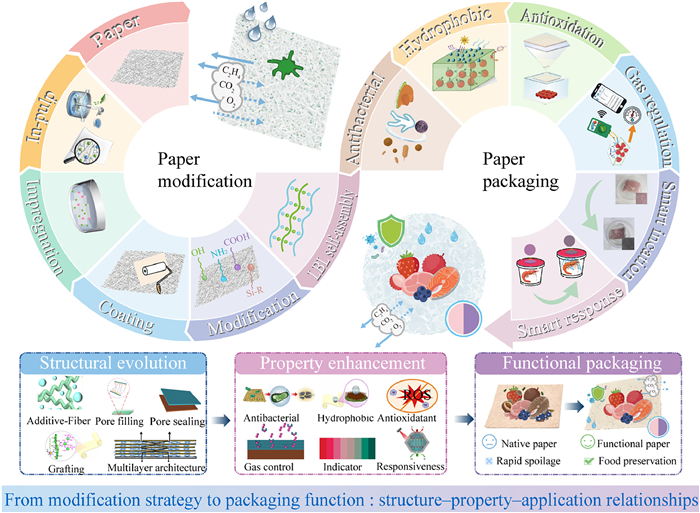
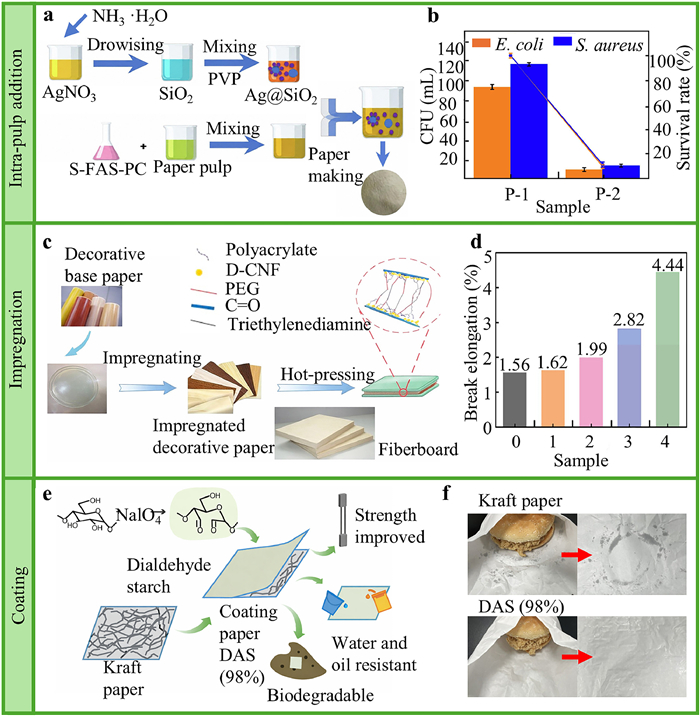
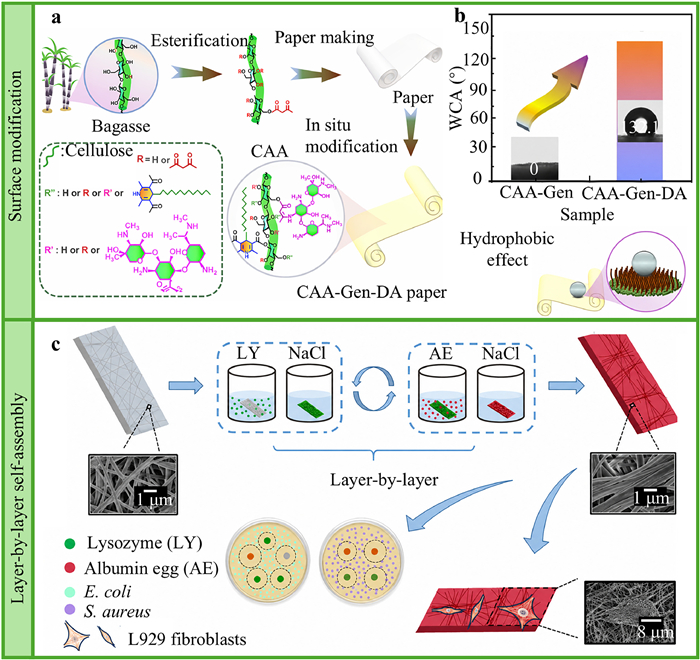
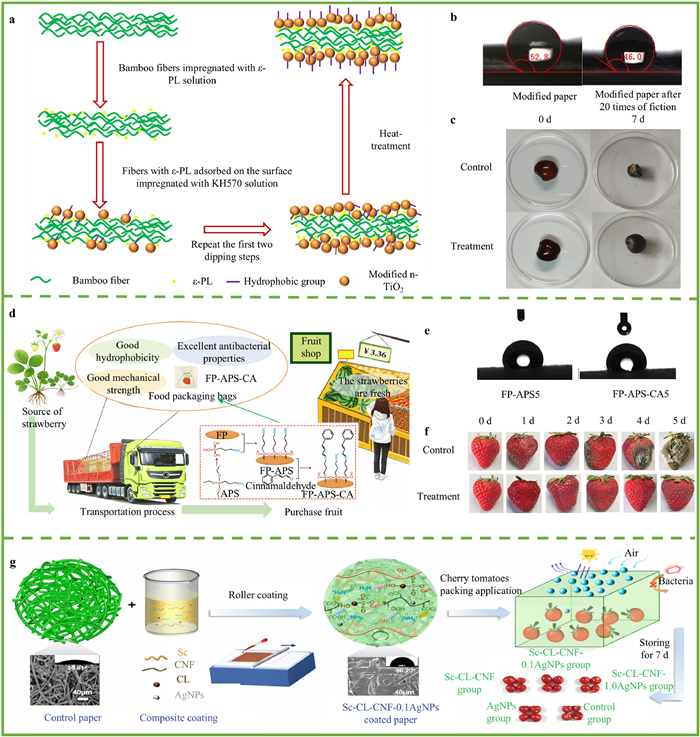
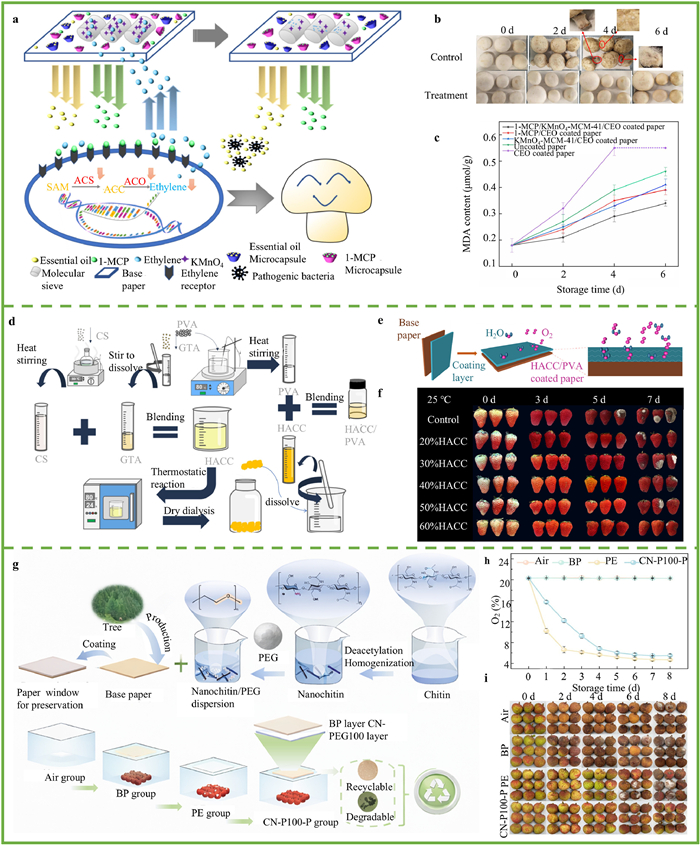
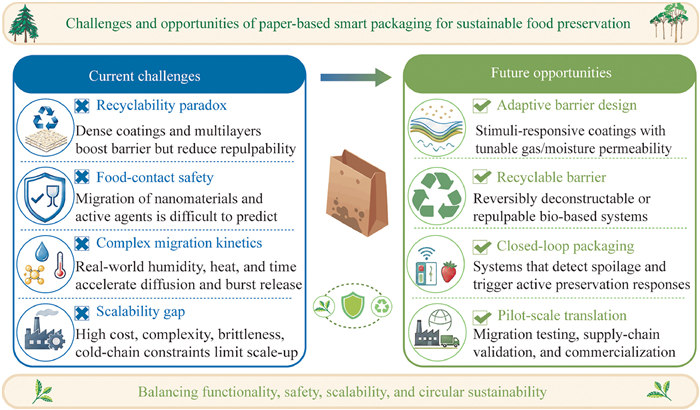
Given the dual challenges of global food waste and plastic pollution, paper-based packaging has emerged as a sustainable alternative to petroleum-based plastics. However, native paper exhibits poor barrier performance and high hydrophilicity, restricting its direct application in food preservation. This review systematically summarizes recent advancements in multifunctional paper-based smart packaging. It highlights core modification strategies like internal additive incorporation, impregnation, coating, surface functionalization, and layer-by-layer assembly that evolve paper from passive protection to active regulation and intelligent sensing. Crucially, matrix-specific synergistic systems are discussed. For fresh produce, research focuses on respiration control via ethylene scavenging. For high-protein foods, emphasis shifts to robust oxygen barriers against lipid oxidation and real-time freshness monitoring. Furthermore, current challenges restricting industrial translation are critically analyzed, primarily the recyclability paradox of high-performance coatings, unpredictable migration safety, and the scalability gap. Future research must prioritize stimuli-responsive closed-loop systems and recycling-compatible barrier structures. Ultimately, this review presents perspectives on a design framework for balancing functional performance with fiber recyclability, with the aim of guiding future endeavors in the commercialization of sustainable smart packaging within a circular economy.
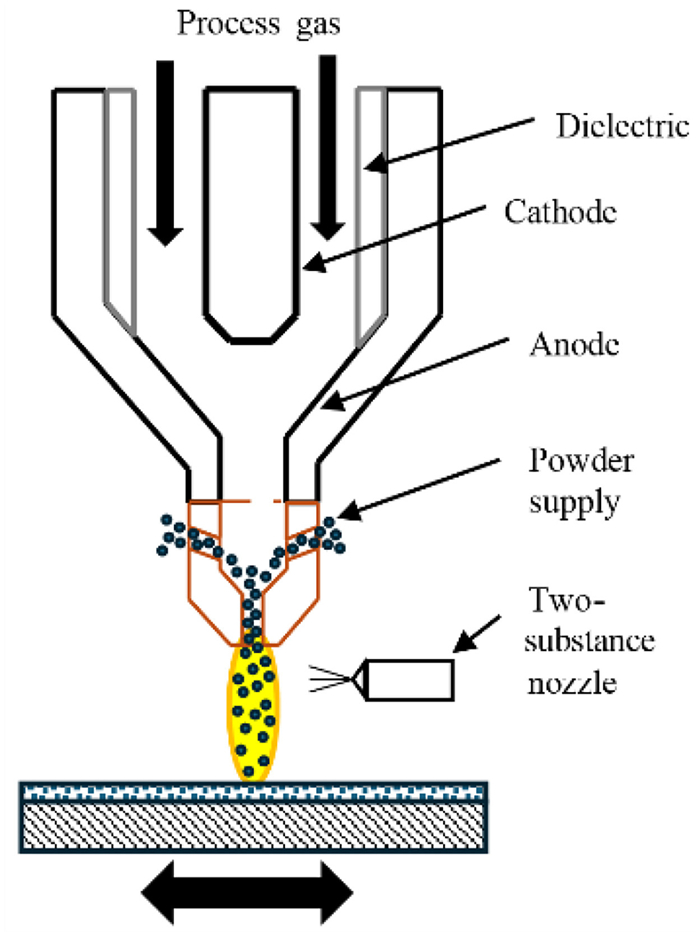
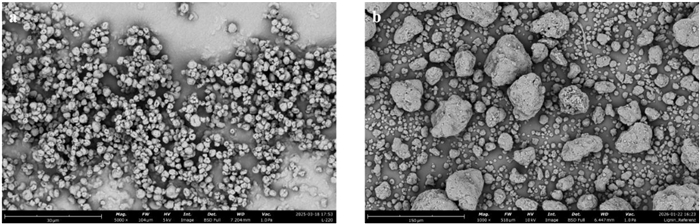
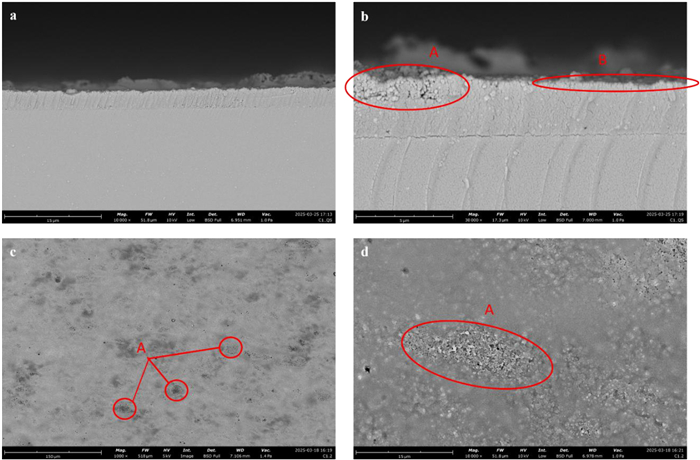
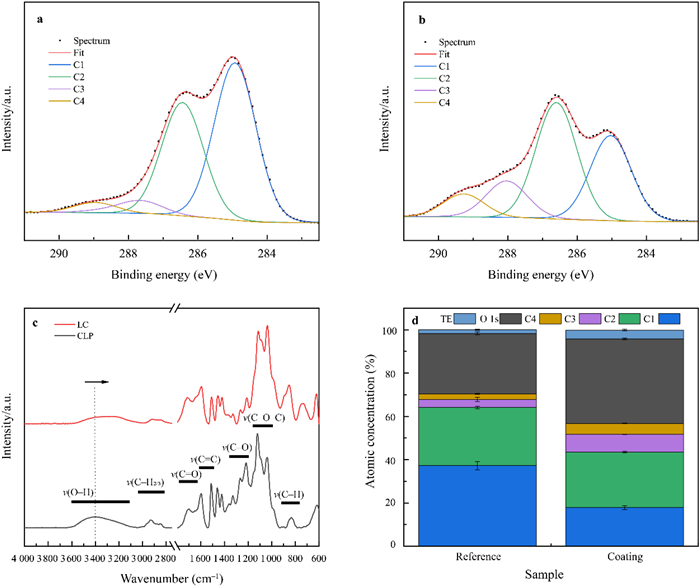
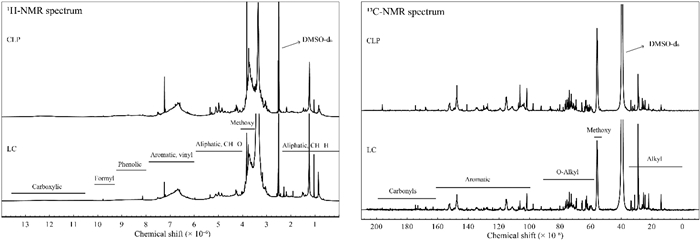
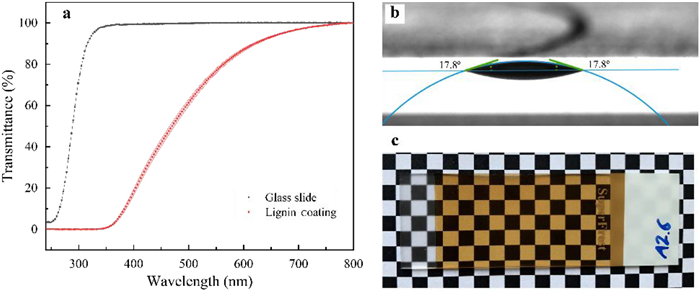
In this study, low-energy suspension plasma spraying (LE-SPS) was introduced as a novel approach for the deposition and simultaneous plasma-induced chemical modification of soda lignin. A colloidal lignin particle suspension was deposited onto glass substrates using a modified plasma spraying system with radial suspension injection. Scanning electron microscopy revealed continuous and dense coatings with an average thickness of approximately 4 µm. X-ray photoelectron spectroscopy (XPS), Fourier transform infrared (FT-IR) spectroscopy, and 1H/13C nuclear magnetic resonance (NMR) spectroscopy analyses indicated substantial plasma-induced chemical restructuring. The coatings exhibited increased oxygen-containing functionalities, including carbonyl and carboxyl/ester-type contributions, together with changes in aromatic signals. These spectroscopic changes are consistent with oxidative modification of lignin and increased contributions from ether- and ester-like environments. Overall, the results demonstrated that LE-SPS enabled lignin deposition accompanied by chemical transformation into a chemically reorganized lignin-based coating without additional crosslinkers, catalysts, or organic solvents.
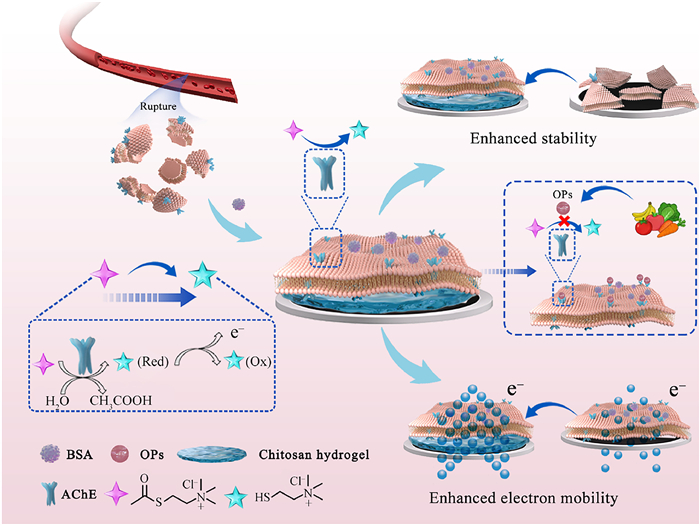
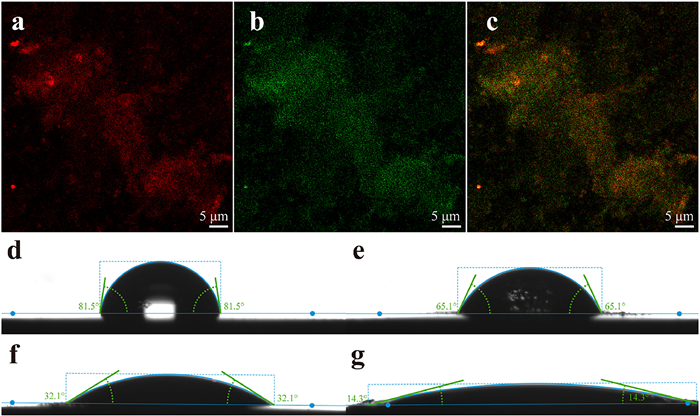
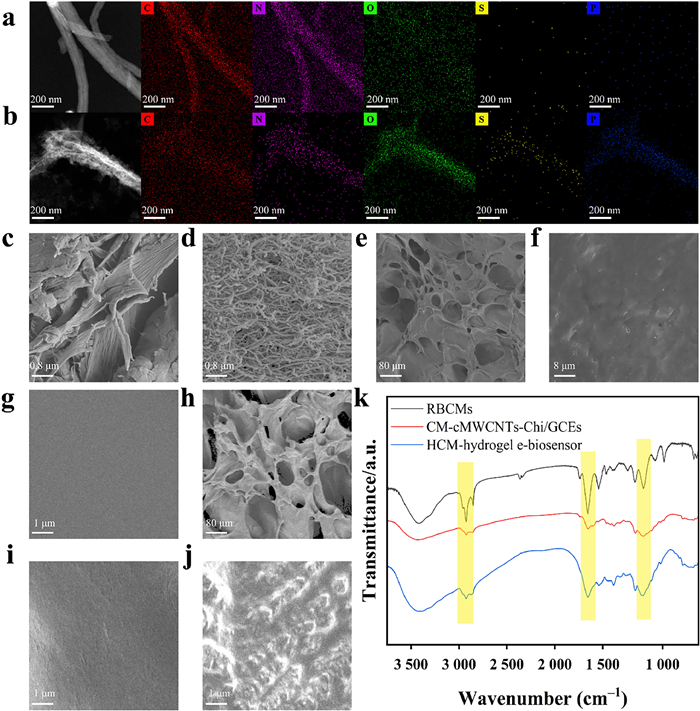
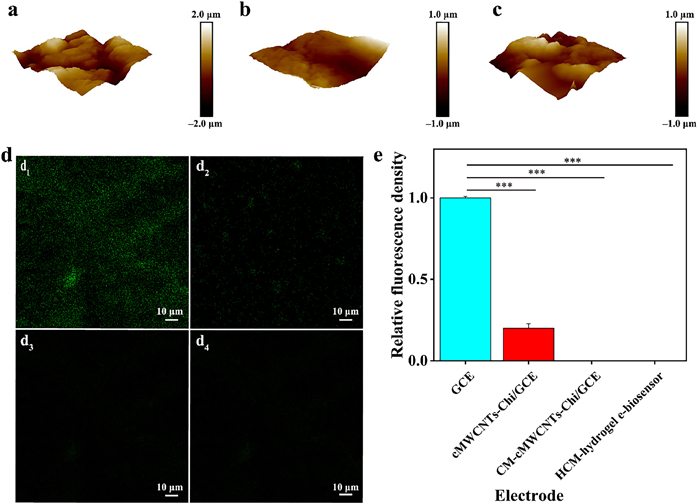
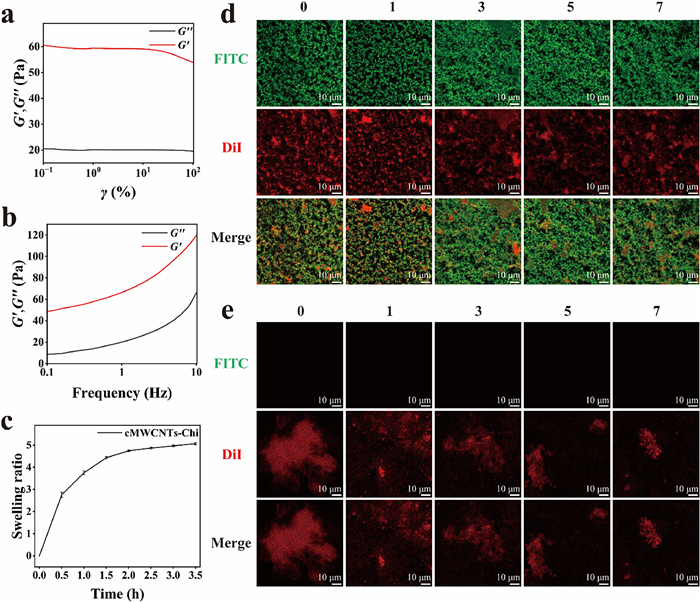
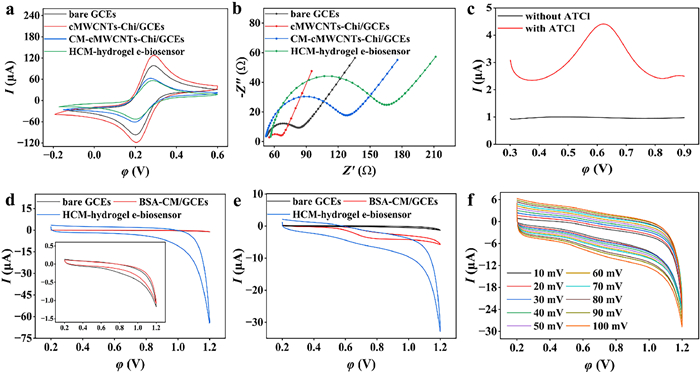
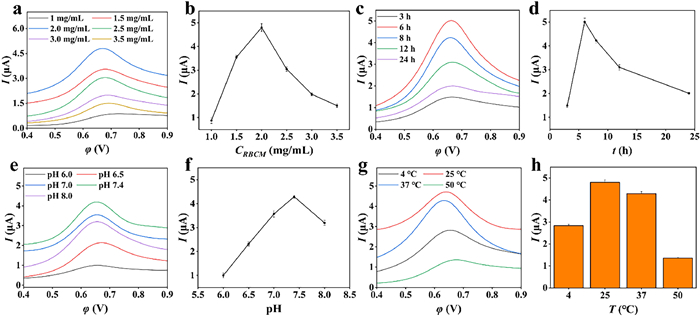
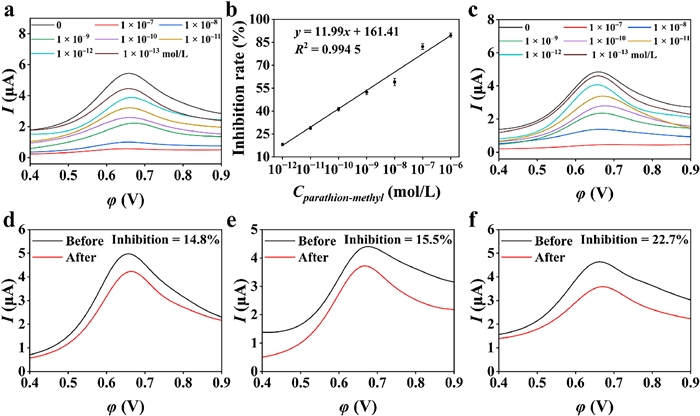
The development of robust biomimetic interfaces remains challenging due to the inherent instability of native cell membranes when integrated into functional devices. Herein, we reported a bio-based functional composite in which a chitosan-derived conductive hydrogel served as a multifunctional matrix to achieve unprecedented stabilization of red blood cell membranes (RBCMs). Leveraging the three-dimensional polycationic network and abundant amino groups of this natural polysaccharide, the hydrogel electrostatically anchored RBCMs while preserving their native fluidity and membrane-bound acetylcholinesterase conformation-overcoming a long-standing bottleneck in biomembrane-based material engineering. Integration of carboxylated multi-walled carbon nanotubes endowed the composite with efficient electron transfer capability without compromising biocompatibility. The resulting biomimetic interface retained 85.8% of its initial electrochemical response after 7 days of continuous operation and enabled sensitive detection of organophosphate pesticides in real agricultural samples (apples, oranges, and tomatoes). This work established chitosan hydrogel as a versatile bio-based platform for constructing stable biomembrane composites, expanding the application scope of natural polysaccharides in functional material design for environmental monitoring.
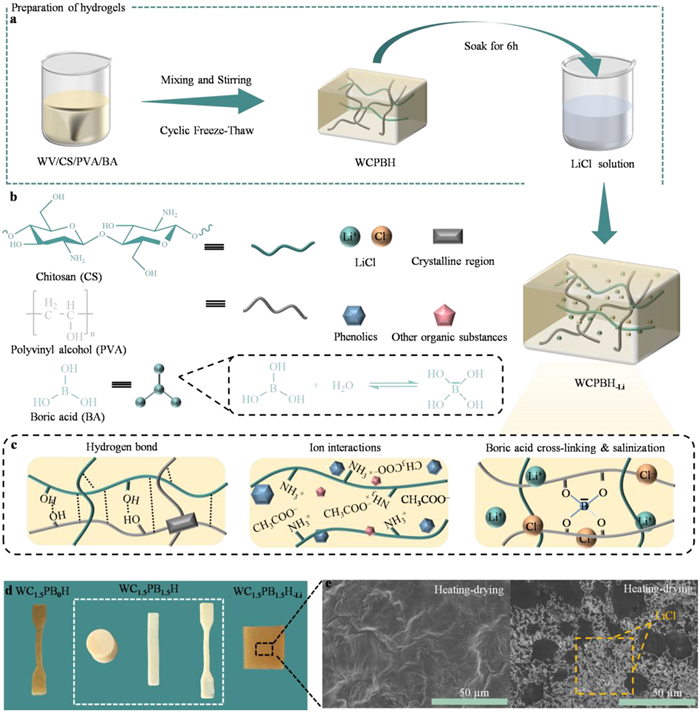
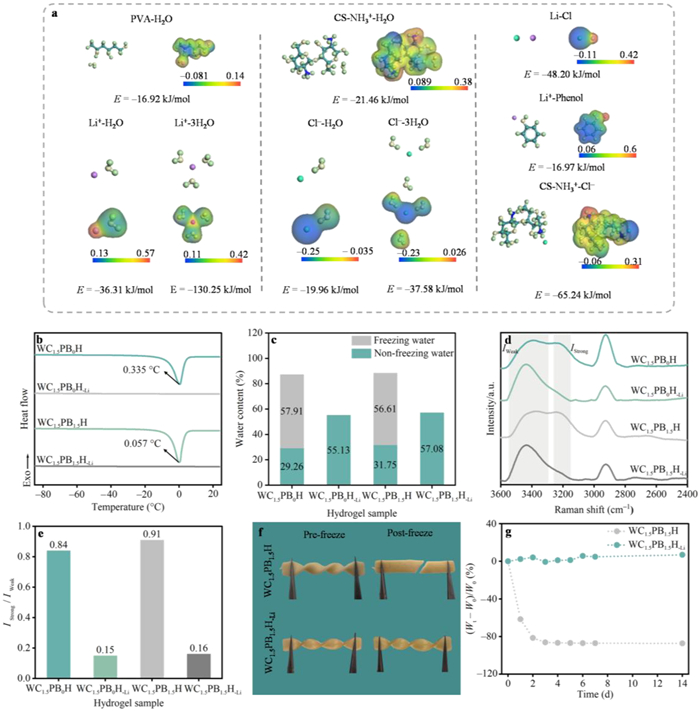
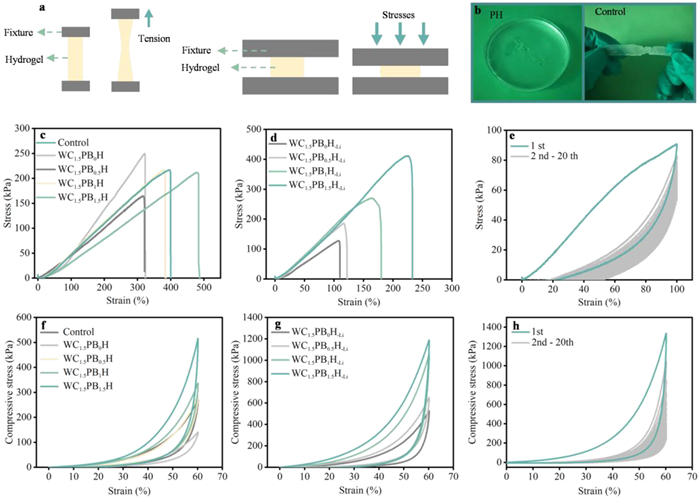
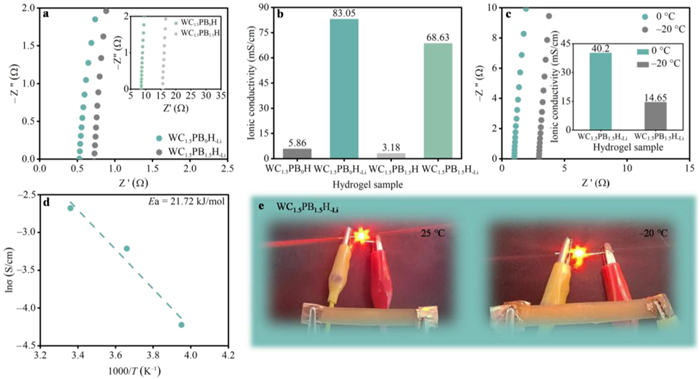
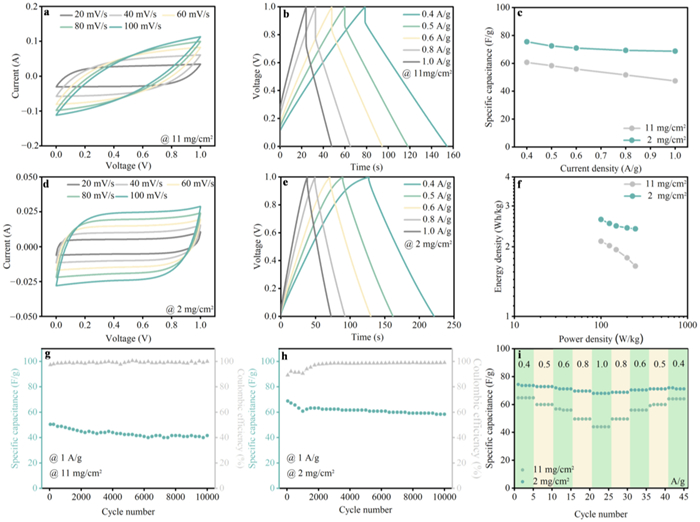
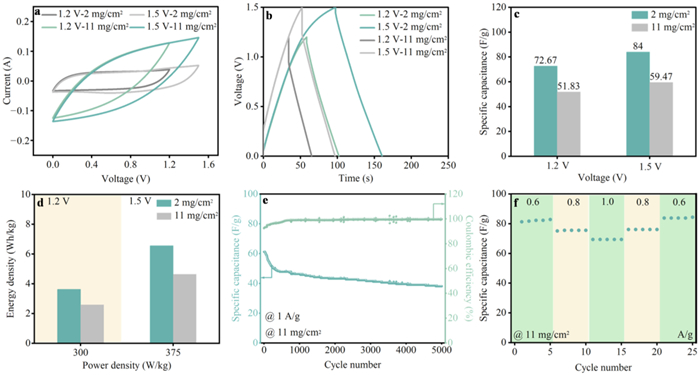
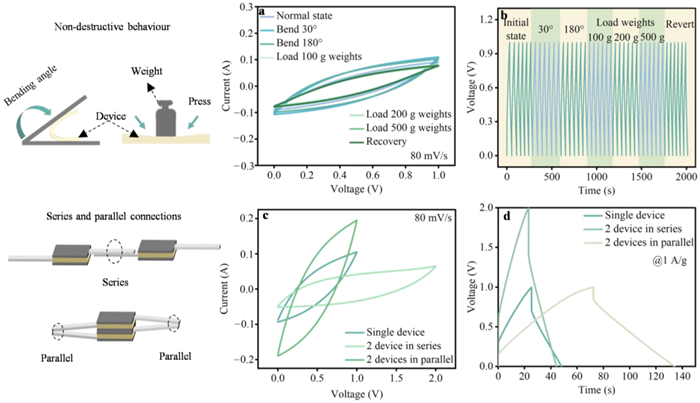
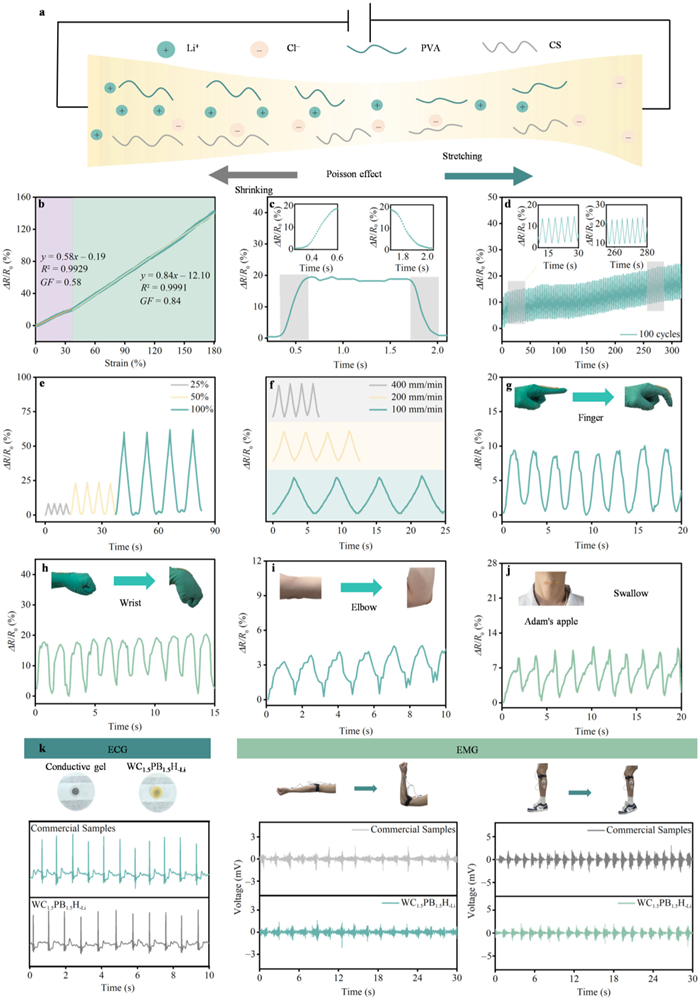
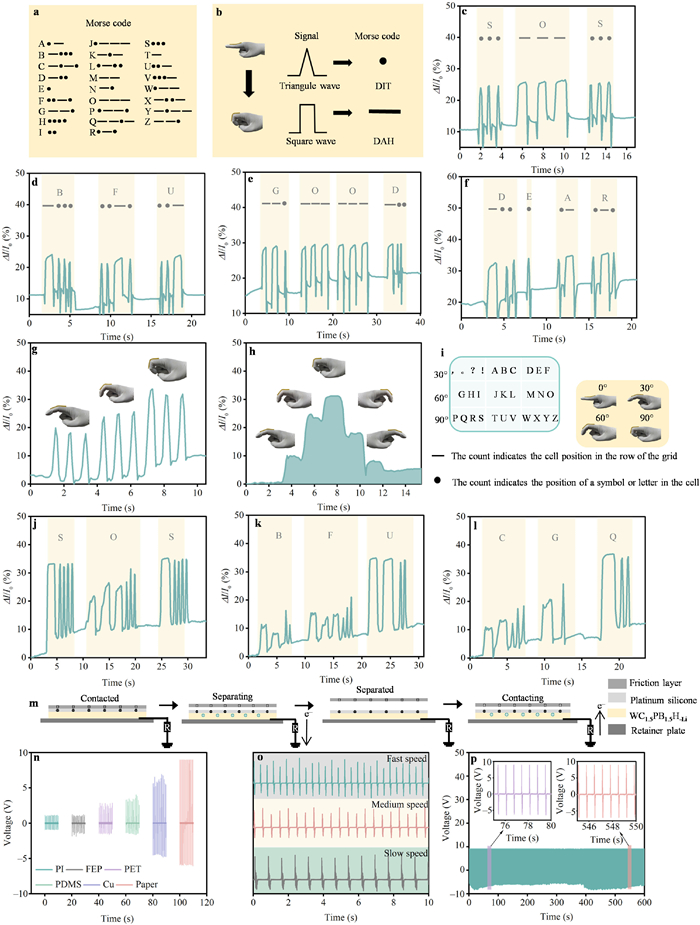
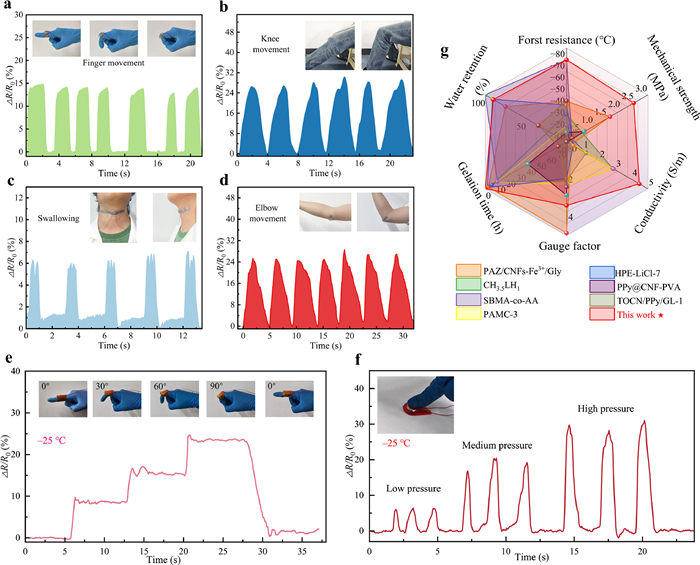
Chitosan-based hydrogels are attractive for sustainable flexible electronics, yet their development is fundamentally hampered by a persistent materials dilemma in which enhancing mechanical integrity through crosslinking or crystallization inevitably sacrifices ionic mobility and environmental stability, leading to poor conductivity and dehydration susceptibility. To address this dilemma, we present a scaffold-microenvironment decoupling strategy. This approach architecturally separates the requirements for mechanical robustness and ion transport by constructing a hierarchically tough yet open polymer scaffold, while independently programming the internal aqueous phase into a highly conductive and cryo-tolerant microenvironment through tailored ion hydration and salting-out. The resulting hydrogel materializes this synergy, exhibiting integrated properties including high mechanical strength, ultra-high ionic conductivity of 68.6 mS/cm, and exceptional resistance to freezing below −85 ℃ and dehydration. Beyond a multifunctional material, this system validates a novel design paradigm. Its practical efficacy is demonstrated across three distinct and demanding electronic applications serving as an ultra-stable electrolyte for flexible supercapacitors with over 10,000-cycle durability, a high-fidelity wearable sensor for physiological signal monitoring, and an effective component in triboelectric nanogenerators. This work provides a blueprint for designing next-generation sustainable soft materials where traditionally conflicting properties can be harmoniously unified.
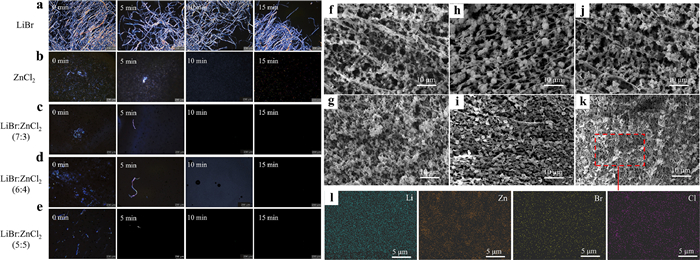
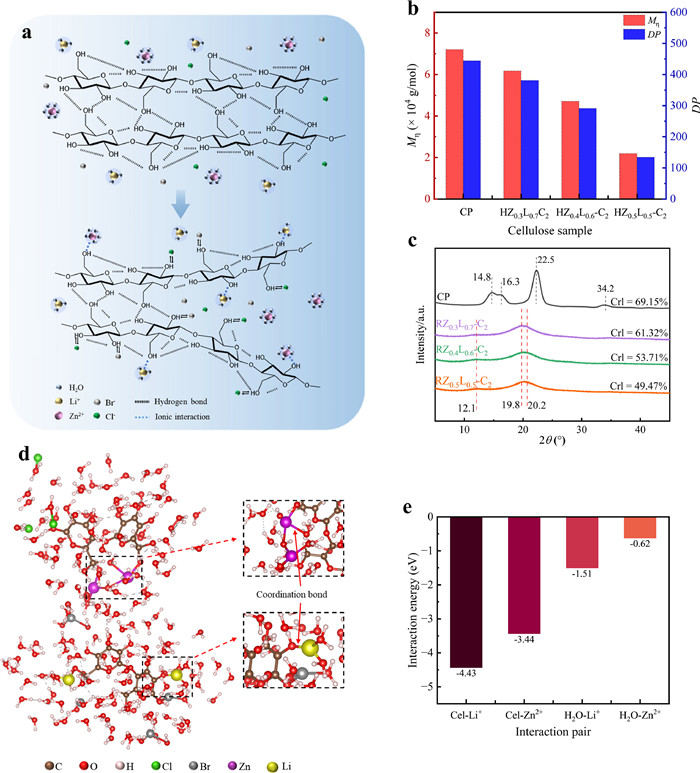
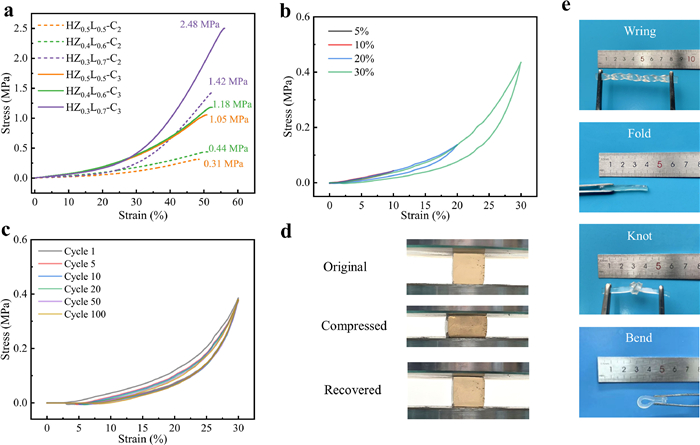
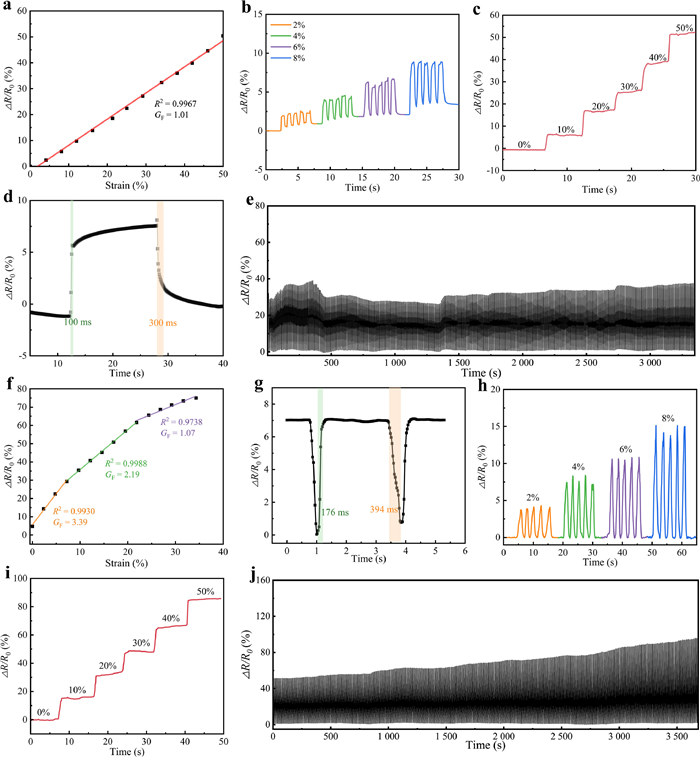
Conductive hydrogel sensors are pivotal for next-generation flexible wearable devices. However, conventional hydrogels suffer from limitations such as insufficient low temperature tolerance, mechanical robustness, and biocompatibility. Herein, a binary molten salt hydrate (MSH) consisting of zinc chloride (ZnCl2) and lithium bromide (LiBr) has been found to efficiently dissolve natural cellulose for synthesis of ionically conductive hydrogel with robust water binding property. The conductive cellulose hydrogel achieved surpassing ionic conductivity of 4.48 S/m, impressive compressive strength of 2.48 MPa, and excellent sensing performance. Molecular simulations disclosed the synergistic effect of lithium and zinc ions in cellulose dissolving and stabilization of the cellulose solution by forming robust water binding performance under low temperatures. Differential scanning calorimetry (DSC) analysis revealed no exothermic peaks associated with water crystallization over the temperature range from −80 to 20 ℃. Furthermore, shear-thinning characteristics of the conductive hydrogel under room temperature make it 3D printable for fabricating customized complex geometries. This work provides a binary molten salt system for facile processing of flexible wearable sensors from cellulose with mechanical robustness, biocompatibility.
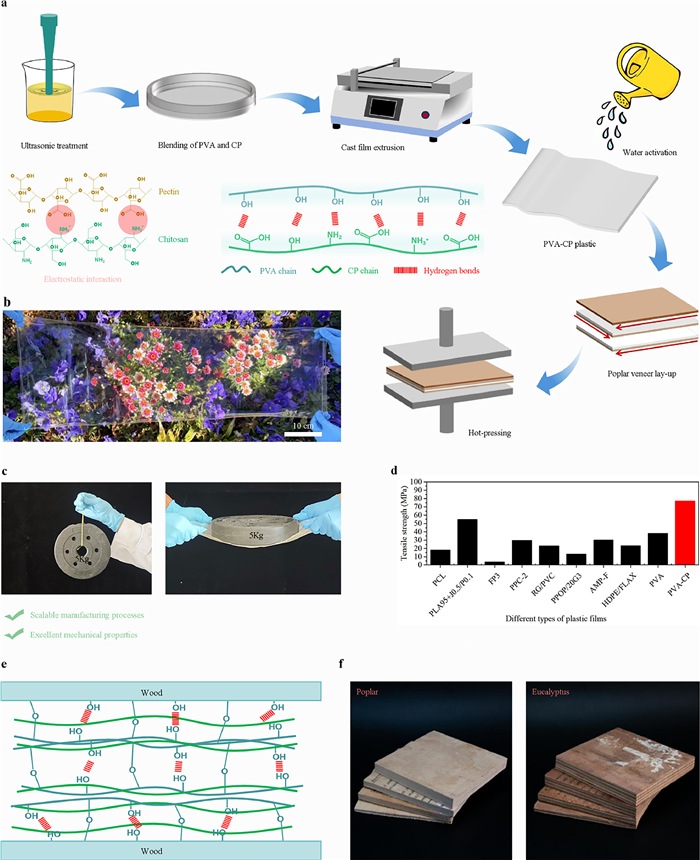
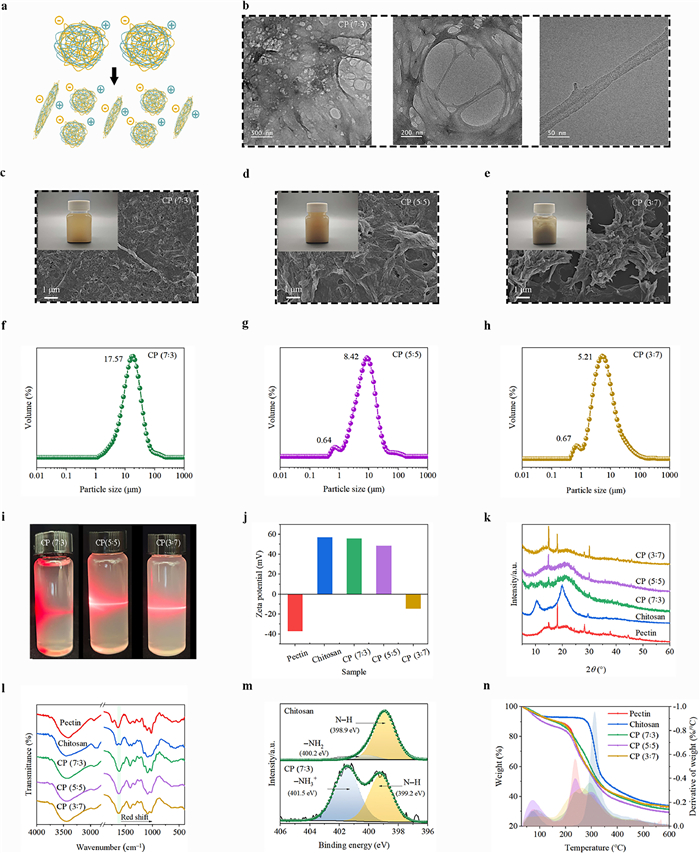
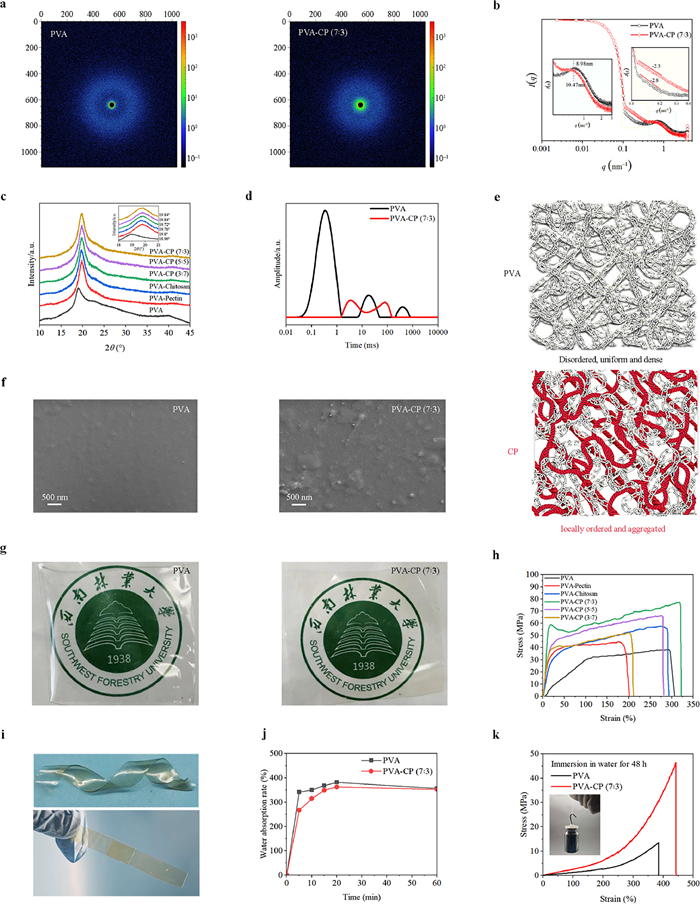
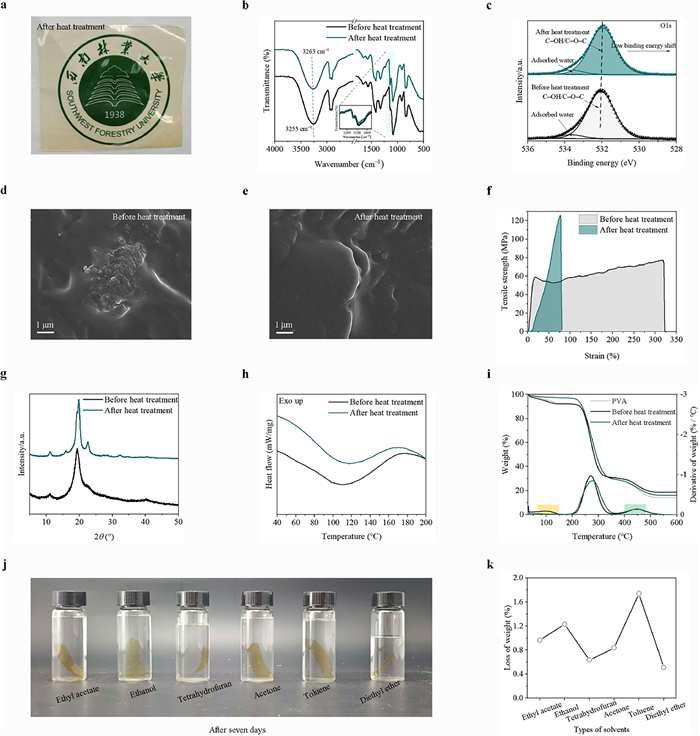
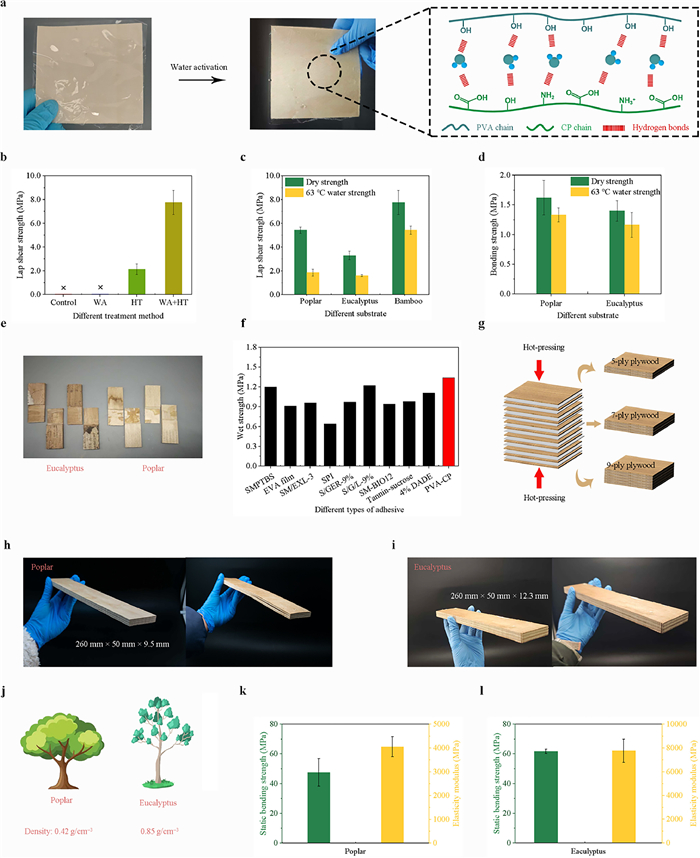
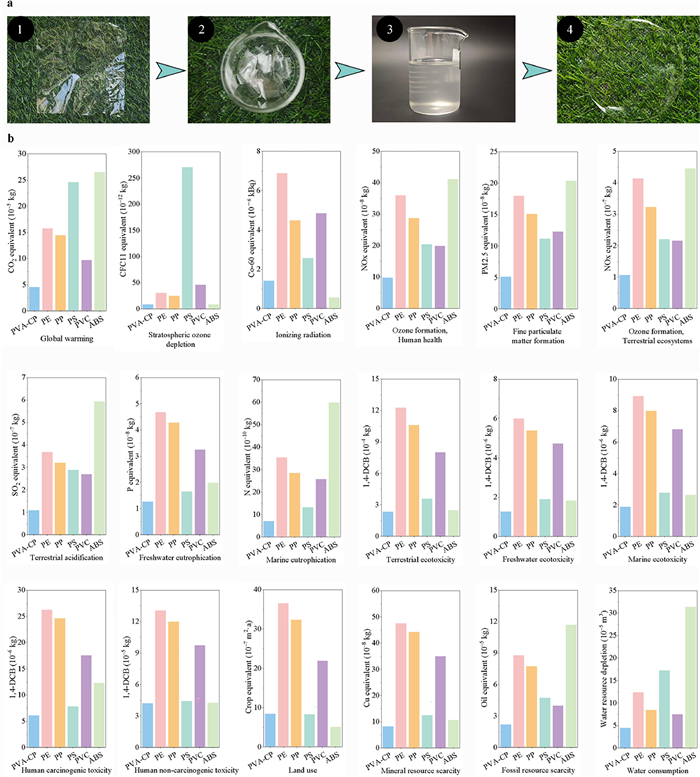
Polyvinyl alcohol (PVA) based films experience significant degradation in mechanical properties under high humidity conditions. This study employed ultrasonic-assisted assembly technology, utilizing the electrostatic interaction between chitosan and pectin to prepare a hybrid polysaccharide polymer (CP). Subsequently, it was blended with PVA to develop a PVA-CP supramolecular film which exhibited both water-responsive and adhesive properties. Benefiting from the reinforcement of PVA crystalline domains by a locally ordered network structure, the PVA-CP (7:3) film maintained a tensile strength of 46 MPa after 48 h of water immersion. It is noteworthy that water-responsive adaptive PVA-CP films can be transformed from bioplastics into high-performance adhesives through water activation and hot-pressing. When used to bond poplar and eucalyptus veneers in plywood production, its performance surpasses the requirements for Class Ⅱ panels of plywood. Furthermore, this film demonstrated significant application potential in multilayer plywood and exhibited an overall lower environmental footprint and cost compared to conventional petroleum-based films. This design strategy broadens multifunctional application prospects for eco-friendly, high-performance and recyclable bioplastic films. The core advantages of the films are water-responsive adaptability and bonding properties.
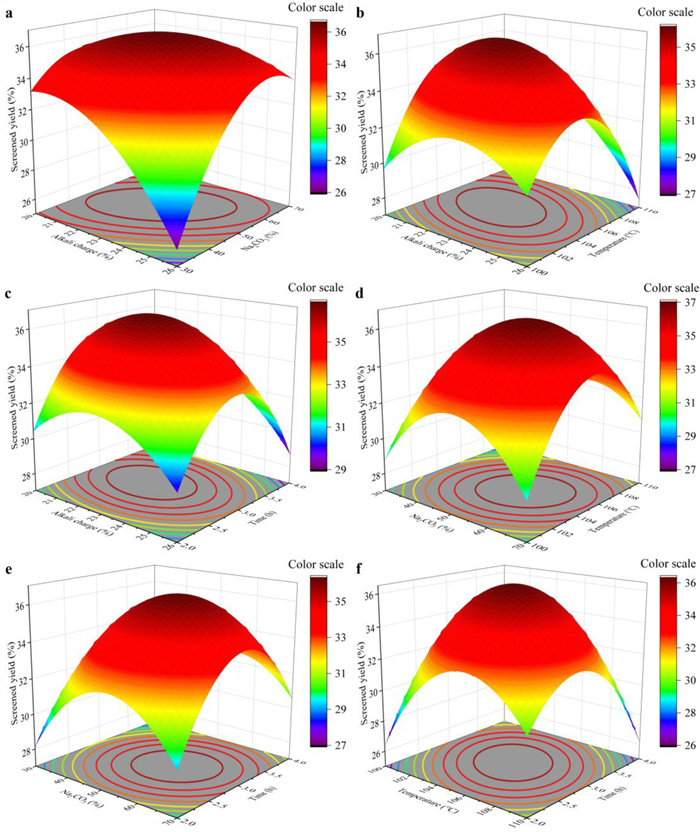
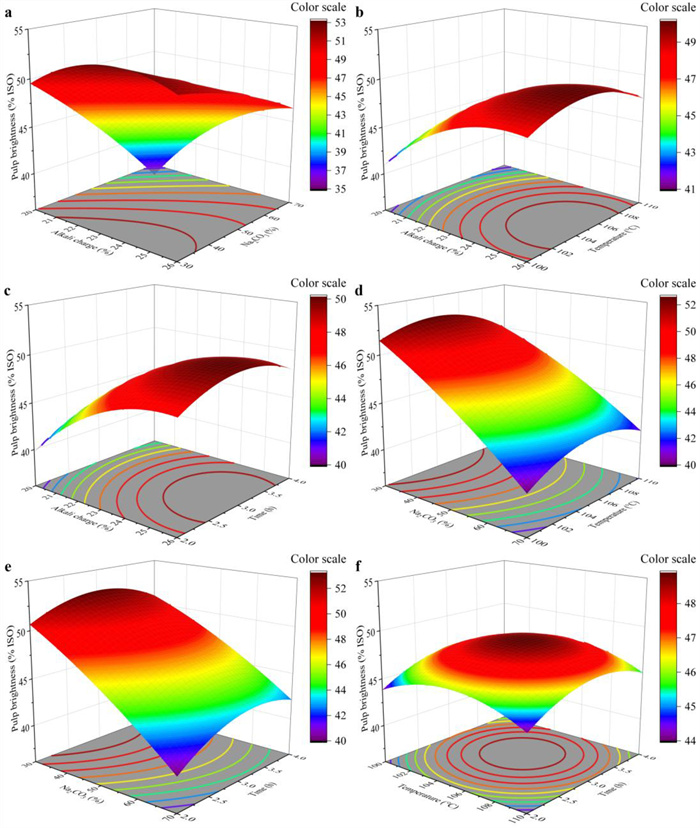
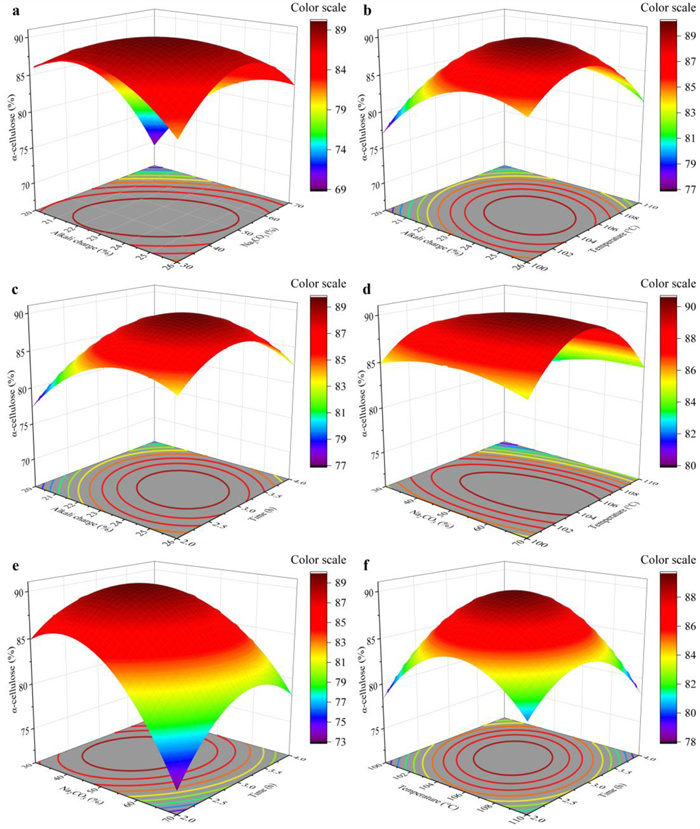
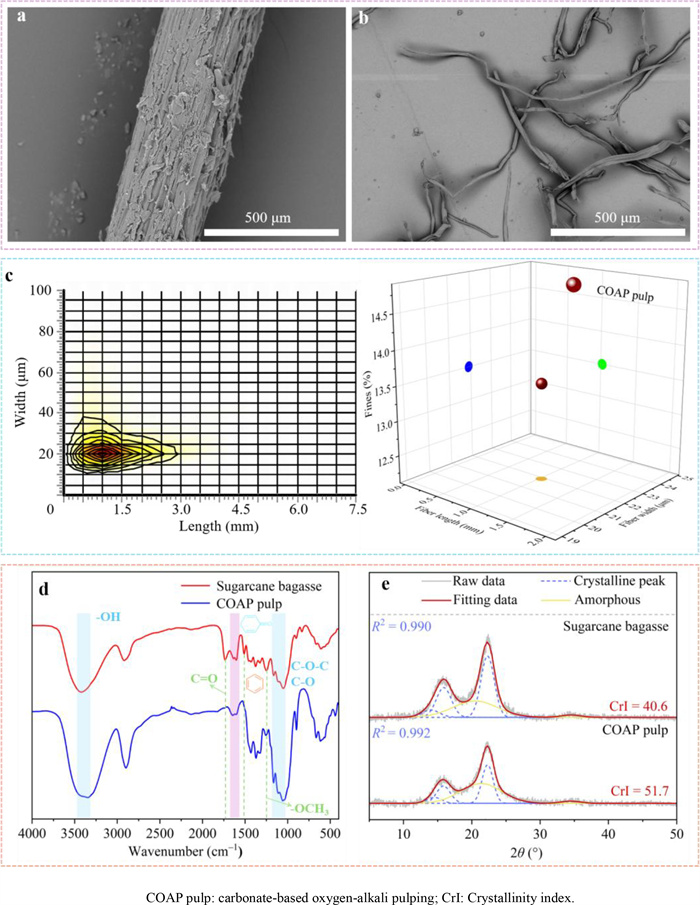
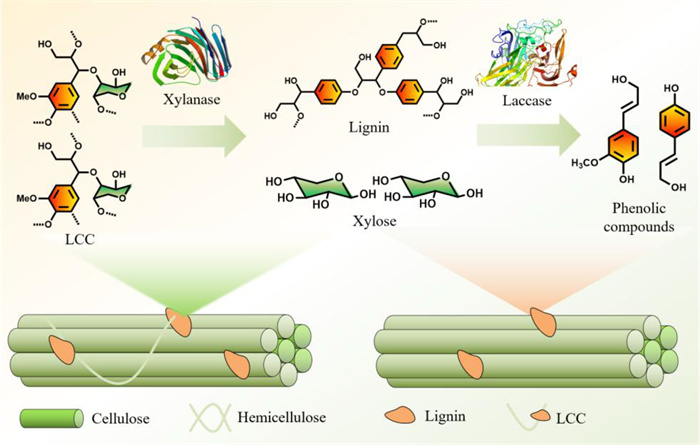
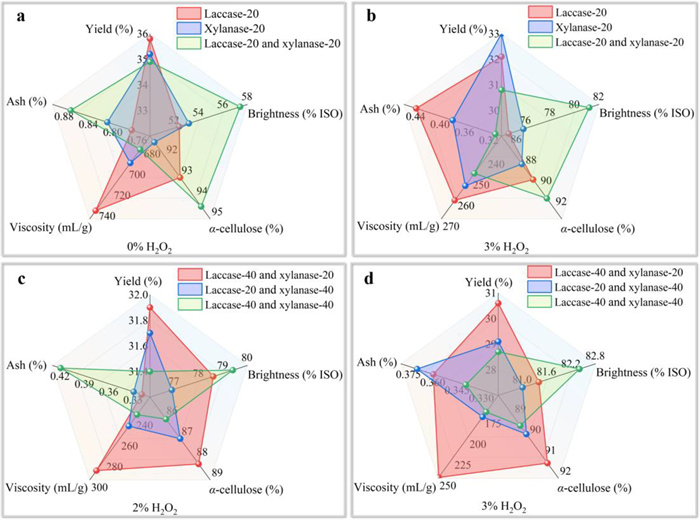
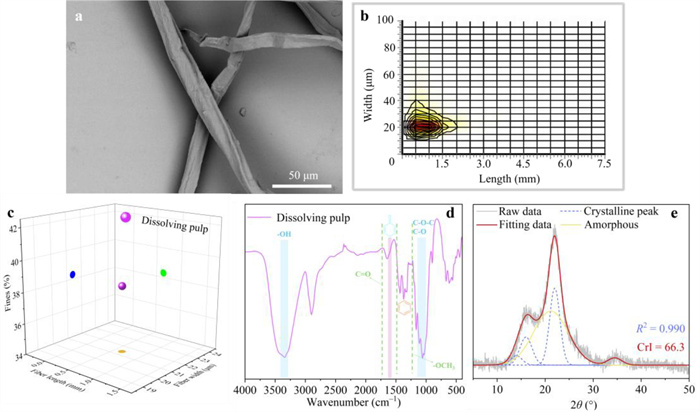
The increasing demand for dissolving pulp in high-value applications imposes resource constraints on traditional feedstocks and thus necessitates the exploration of eco-friendly non-wood alternatives. However, conventional processes are inappropriate for non-wood biomass, causing cellulose degradation and environmental concerns. Therefore, developing green and efficient pulping techniques for non-wood feedstock is of great significance. This study employed sugarcane bagasse as a raw material and innovatively developed a carbonate-based oxygen-alkali pulping (COAP) process combined with an enzymatic totally chlorine-free (TCF) bleaching sequence, which was successfully integrated to achieve the green and efficient production of dissolving pulp. The mechanism by which sodium carbonate regulates active oxygen species (AOs) to selectively deconstruct lignin during the COAP process was systematically elucidated, and a multivariate quadratic polynomial regression model for the COAP process was established. In addition, the synergistic mechanism of enzymatic treatment and H2O2 in the targeted chromophore destruction was analyzed, and a new strategy for selective lignin removal was proposed. The results showed that the prehydrolysis stage achieved selective removal of 83.7% hemicellulose while retaining 89.7% cellulose at 170 ℃. During the COAP stage, the partial replacement of NaOH with Na2CO3 delayed the superoxide anion radicals (O2−·) protonation to regulate AOs. This not only achieved selective oxidative degradation of lignin and maximized cellulose preservation, but also significantly reduced the bleaching demand in the subsequent stage. Moreover, response surface methodology optimization identified the optimal pulping conditions as a sodium carbonate substitution ratio of 50%, a temperature of 105.8 ℃, and a reaction time of 3 h, producing pulp with the International Organization for Standardization (ISO) brightness of 47.6%, an α-cellulose content of 89.1%, and a yield of 36.5%. During the enzymatic bleaching stage, a cascade pretreatment with xylanase and laccase (20 U/g) selectively degraded residual lignin-carbohydrate complexes and lignin chromophoric groups, significantly reducing the subsequent H2O2 (3%) bleaching load. Finally, high-quality dissolving pulp with a brightness of 81.2% ISO, high α-cellulose content (91.02%), high viscosity (248 mL/g), and overall yield (30.8%) was obtained. This study demonstrates a promising green biorefinery route for the valorization of agricultural residues.
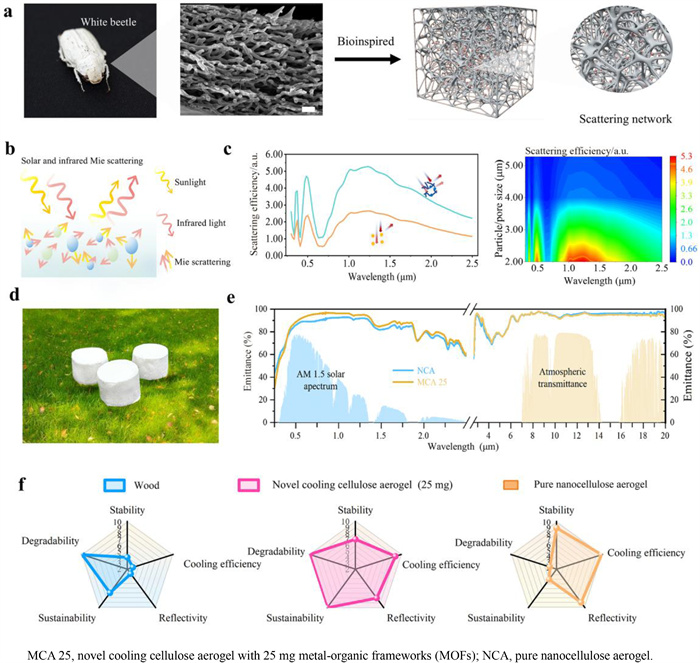
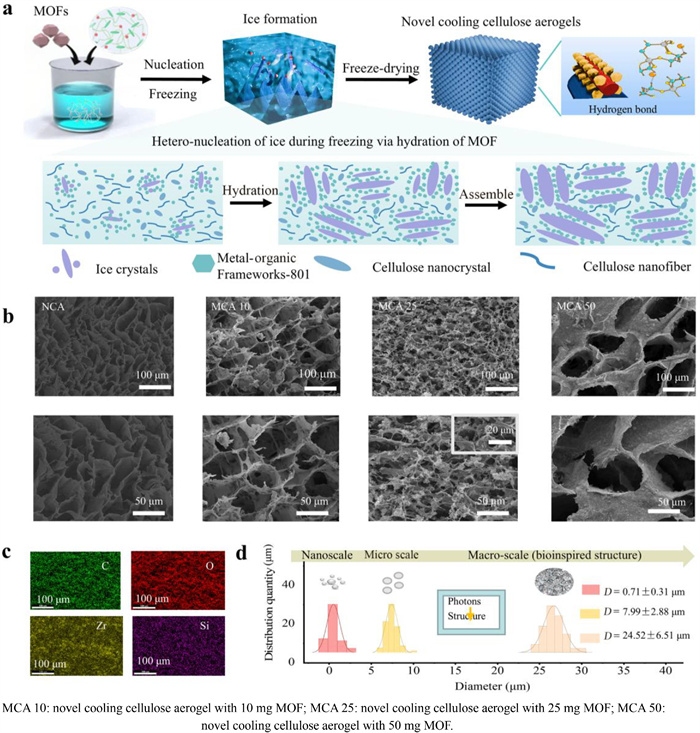
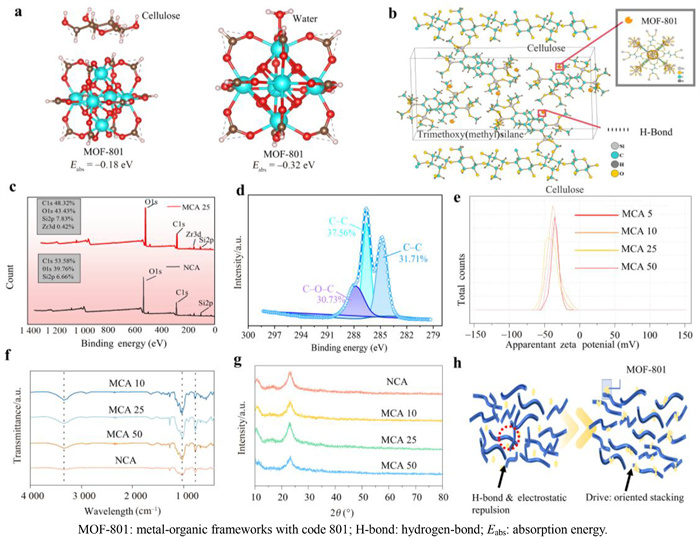
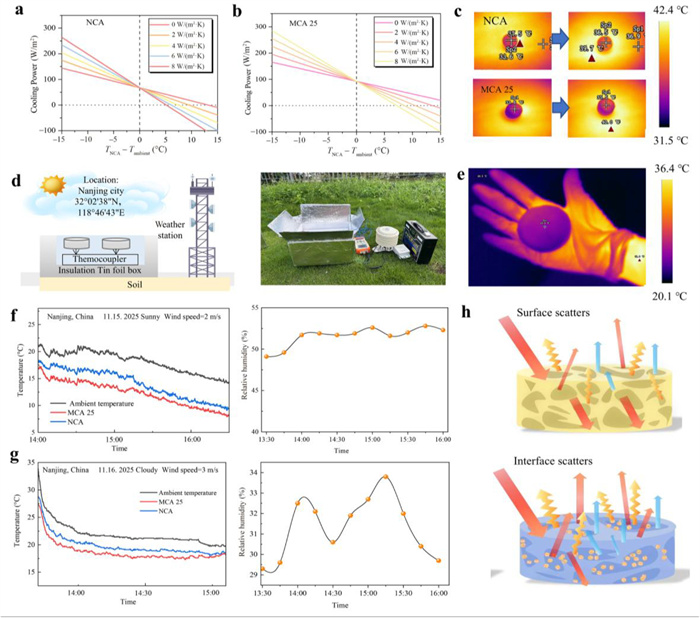
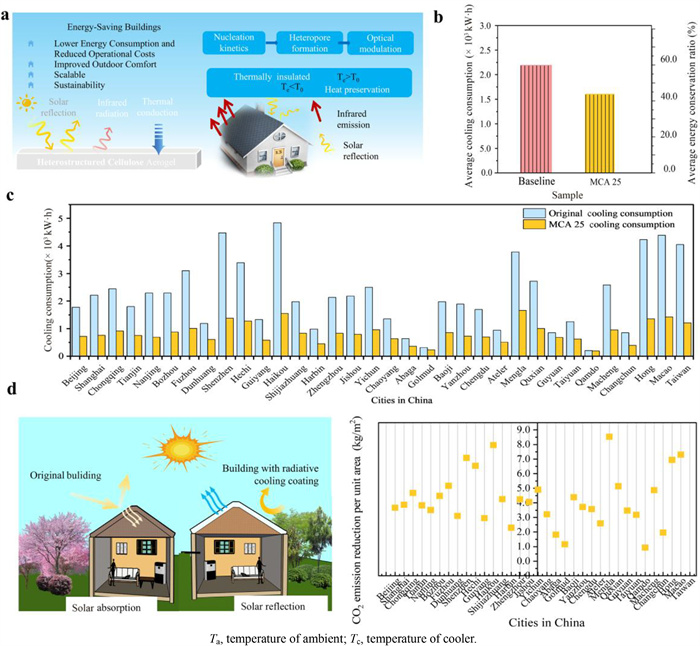
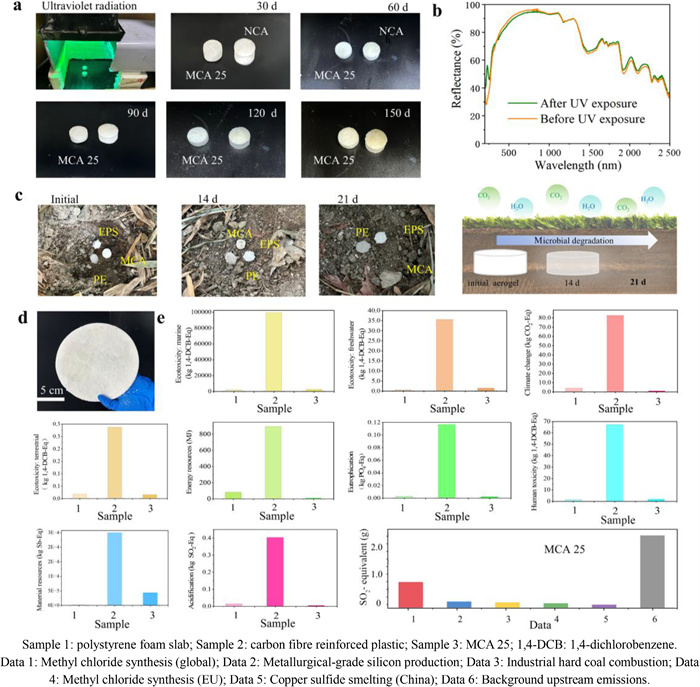
Passive radiative cooling is a sustainable cooling technology that shows great promise in energy-saving fields. However, simultaneously achieving solar reflectivity and infrared emissivity over 95% performance is hindered by the lack of an efficient micro/nano-structure process technology and by photonic design’s shortcomings in terms of high cost and environmental concerns. Herein, inspired by the structural relationship in the white beetle, a novel cooling cellulose aerogel (MCA) with dual-band solar reflectivity and infrared emissivity was proposed by meticulously manipulating the kinetics of the ice-templating process. A hetero-photonic scattering topology composed of nanoparticles, a nano/micro fibers network, and dual-pores via incorporating ice nucleation modifier of hygroscopic metal-organic frameworks (MOF) (modulation of interaction between cellulose, water, and MOF), reproducing the random and anisotropic optical scattering mechanism of white beetles. Driven by the hydration of MOF-induced ice nucleation in binary nanocellulose suspensions, the nanofibers and nanoparticles can form a heterostructured and interconnected micro/nanonetwork via hydrogen bonding and electrostatic interactions. Compared with the traditional pore structure, the bioinspired MCA exhibited a dual band high solar reflectance of 0.958 and infrared emissivity of 0.95, which results in daytime subambient cooling of 7.1 ℃ during direct sunlight outdoors. Meanwhile, life cycle assessment demonstrates that the preparation process of MCA exhibits a very low environmental impact and is essential for green production and manufacturing. By demonstrating 40% annual cooling energy savings in China, this work paves the way for high-performance, sustainable cooling materials.
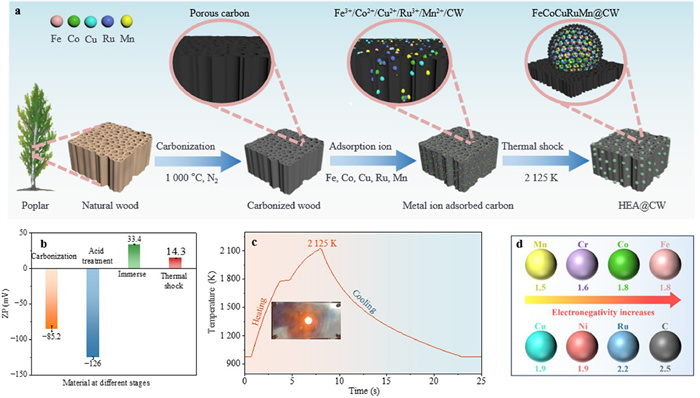
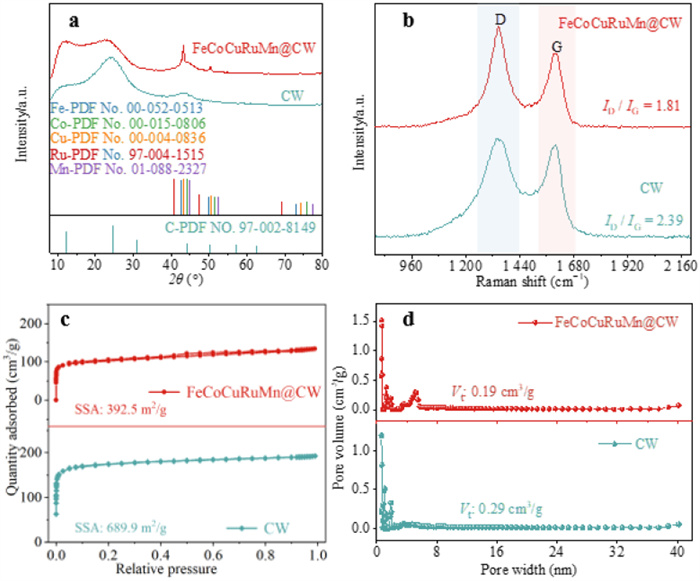
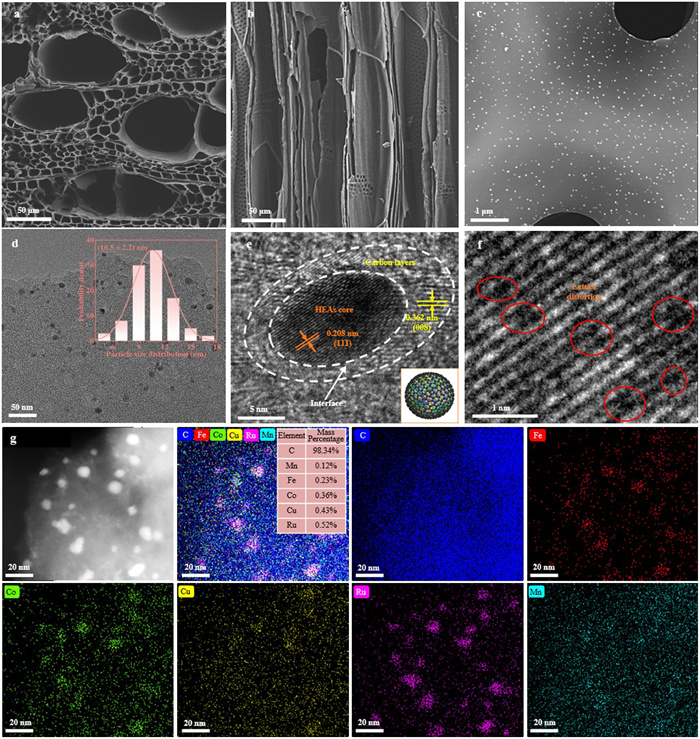
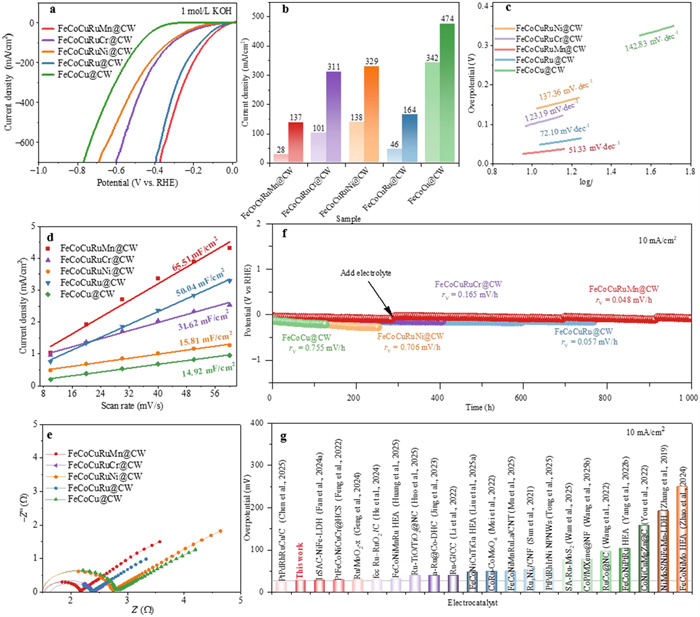
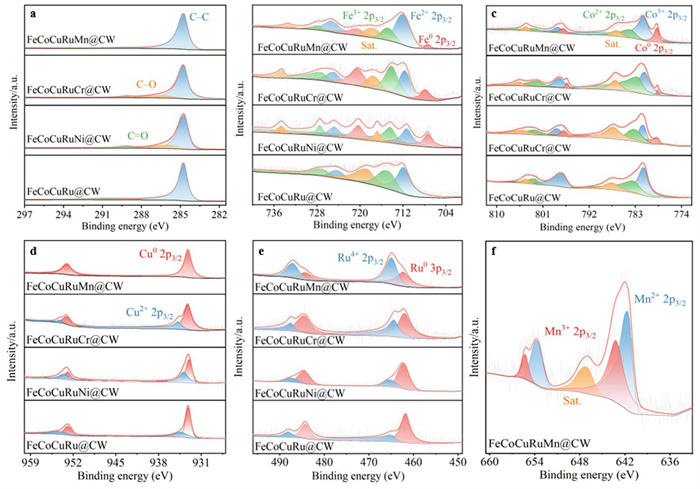
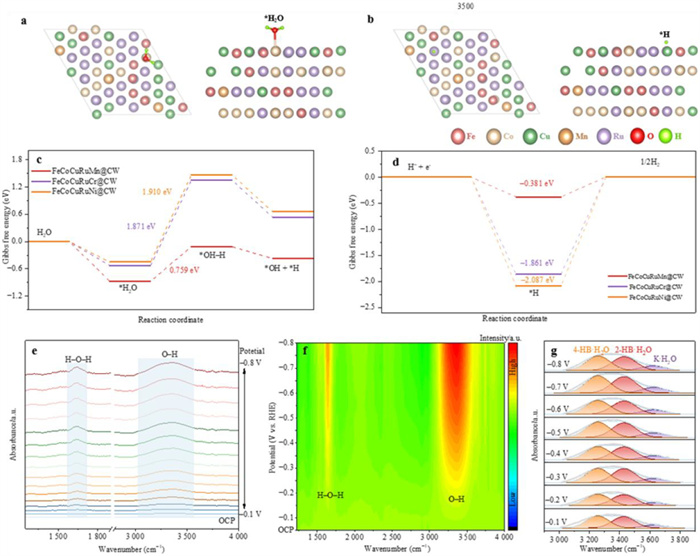
Developing efficient and durable hydrogen evolution reaction (HER) electrocatalysts based on wood-supported high-entropy alloy (HEA) nanoparticles (NPs) remains challenging due to the difficulty in achieving uniform dispersion of HEA, strong interfacial anchoring between HEA and carbonized wood (CW), and rational modulation of interfacial electronic configurations simultaneously. In this work, HEA NPs anchored on CW via graphitized carbon layer, denoted as FeCoCuRuM@CW (M = Mn, Cr, Ni), were successfully synthesized by a carbothermal shock strategy. Before carbothermal shock, the negatively charged CW enabled efficient adsorption of metal ions, thereby increasing the metal loading. Metals (Fe, Co, Cu, Ru, Mn, Cr, and Ni) with distinct electronegativities induced the formation of high-activity HEA NPs during the carbothermal shock process. Meanwhile, the graphitized carbon layer formed on the surface of HEA reinforced the interfacial anchoring between HEA NPs and CW, which in turn enhanced the stability. Compared with FeCoCuRuCr@CW and FeCoCuRuNi@CW, FeCoCuRuMn@CW exhibited the best HER performance, requiring only 28 mV to achieve 10 mA/cm2 in 1.0 mol/L KOH along with excellent durability. Electronic modulation via Mn incorporation is the key, as the element with the lowest electronegativity, Mn donated electrons to Ru and the carbon matrix. This process optimized the d-band center and strengthened interfacial water polarization. This electronic redistribution lowered the water dissociation barrier to 0.759 eV and yielded a near-thermoneutral hydrogen adsorption free energy (ΔG*H of −0.381 eV for FeCoCuRuMn@CW, which is significantly more favorable than those of FeCoCuRuCr@CW (ΔG*H = −1.861 eV) and FeCoCuRuNi@CW (ΔG*H = −2.087 eV). This study highlighted an electronegativity-driven electronic modulation mechanism, coupled with the synergistic enhancement effect derived from carbon graphitization degree, thereby offering a novel strategy for the rational design of high-performance HEA-based electrocatalysts with reinforced carbon-HEA interfacial anchoring.